Field note
The Truth About Stinging Nettle: Separating Fact from Fiction on Its Benefits
Discover the health benefits of stinging nettle, its nutritional profile, and common misconceptions. Learn how to safely incorporate it into your diet.
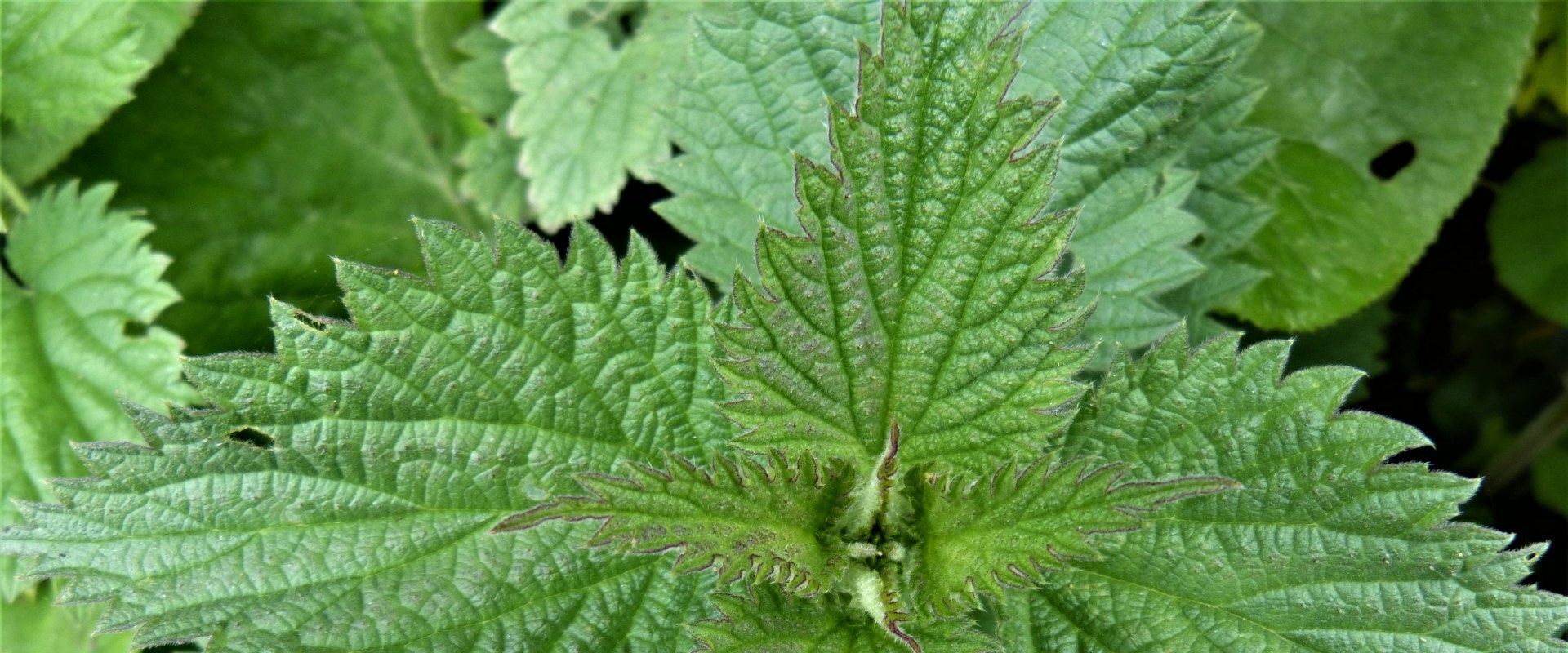
Stinging nettle, scientifically known as Urtica dioica, is a perennial plant that has captured the attention of herbalists and health enthusiasts for centuries. Often recognized for its serrated leaves and tiny, stinging hairs, this plant has a rich history rooted in traditional medicine. Ancient civilizations, including the Greeks and Romans, utilized stinging nettle for its purported health benefits, ranging from treating arthritis to alleviating respiratory issues. Today, it continues to be a subject of interest as modern research begins to validate some of these historical claims. The benefits of stinging nettle extend beyond its medicinal properties; it is also a nutritional powerhouse.
Packed with vitamins A, C, K, and several B vitamins, as well as essential minerals like iron and calcium, nettle is often consumed in various forms such as teas, tinctures, and capsules. This versatility makes it an appealing option for those looking to enhance their diet with natural remedies. However, despite its many advantages, misconceptions about stinging nettle persist, leading to hesitance among potential users. As we delve deeper into the world of stinging nettle, it is crucial to separate fact from fiction. While some may fear the plant due to its sting or potential side effects, understanding its historical context and the science behind its benefits can empower individuals to make informed decisions about incorporating it into their wellness routines.
In this article, we will explore the various stinging nettle benefits , address common myths, and provide insights into how this remarkable plant can contribute to overall health.
Understanding Stinging Nettle: A Botanical Overview
The stinging nettle, scientifically known as Urtica dioica, is a perennial flowering plant that belongs to the family Urticaceae. This family is commonly referred to as the nettle family, which includes various species known for their stinging hairs. Understanding the botanical classification and characteristics of stinging nettle is essential for appreciating its uses and benefits.Botanical Classification
- Kingdom: Plantae
- Clade: Angiosperms
- Clade: Eudicots
- Clade: Rosids
- Order: Rosales
- Family: Urticaceae
- Genus: Urtica
- Species: Urtica dioica
Physical Characteristics
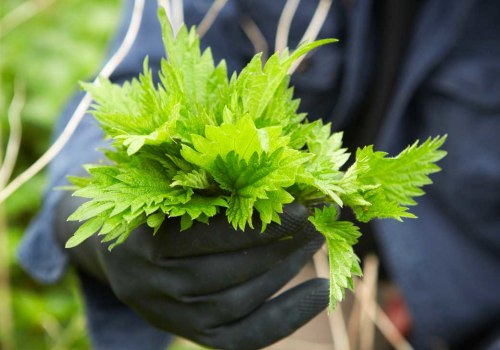
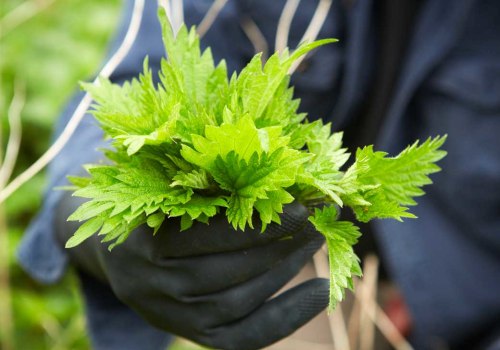
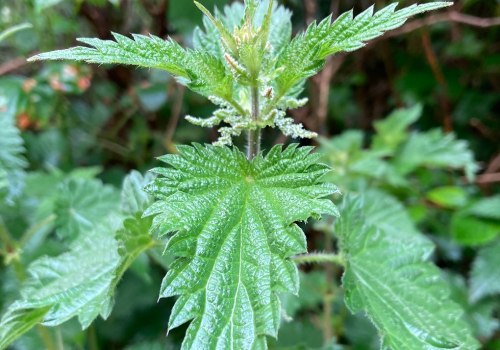
The stinging nettle can grow up to 4 feet tall and is characterized by its serrated, heart-shaped leaves that are typically 3 to 7 inches long. The leaves are dark green and have a slightly glossy appearance.
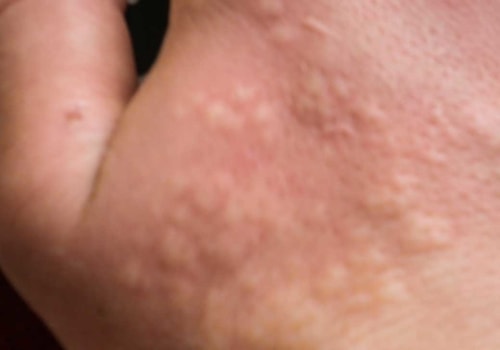
One of the most notable features of this plant is its fine, stinging hairs, which contain a mixture of chemicals, including histamine and formic acid. These hairs can cause a burning sensation when they come into contact with skin.
The plant produces small, greenish flowers that bloom in clusters during the summer months. Both male and female flowers are present on the same plant, making it monoecious. The flowers are not particularly showy but play a crucial role in the plant's reproduction.
Habitat and Distribution
Stinging nettle thrives in a variety of habitats, often found in moist, nutrient-rich soils.
It commonly grows in temperate regions across Europe, Asia, and North America. You can find it in forests, along riverbanks, and in disturbed areas such as roadsides and gardens. Its ability to adapt to different environments makes it a resilient species. This adaptability also contributes to its reputation as a weed in some areas, where it can spread rapidly if not managed properly. Understanding the ecological role of stinging nettle is important for those interested in herbal medicine or gardening, as it can attract beneficial insects while also providing nutrients to the soil.
Nutritional Profile of Stinging Nettle
Stinging nettle, often overlooked in the realm of nutrition, is a powerhouse of essential vitamins and minerals that can significantly contribute to overall health.This remarkable plant is not only known for its medicinal properties but also for its impressive nutritional profile . One of the standout features of stinging nettle is its rich content of vitamins. It is particularly high in:
- Vitamin A : Essential for maintaining healthy vision, skin, and immune function.
- Vitamin C : A potent antioxidant that supports the immune system and aids in collagen production.
- Vitamin K : Important for blood clotting and bone health.
- B Vitamins : Including B1 (thiamine), B2 (riboflavin), B3 (niacin), B5 (pantothenic acid), B6 (pyridoxine), and B9 (folate), which play crucial roles in energy metabolism and brain function.
- Iron : Vital for the formation of red blood cells and oxygen transport in the body.
- Calcium : Important for bone health and muscle function.
- Magnesium : Plays a role in over 300 biochemical reactions in the body, including muscle and nerve function.
- Potassium : Helps regulate fluid balance, muscle contractions, and nerve signals.
- Zinc : Essential for immune function, wound healing, and DNA synthesis.
Its nutritional benefits make it a valuable addition to any health-conscious diet. However, it’s important to note that while fresh nettle can cause skin irritation when handled improperly, cooking or drying the leaves neutralizes this effect, allowing you to enjoy its benefits safely.
Health Benefits of Stinging Nettle
Stinging nettle, scientifically known as Urtica dioica, has garnered attention for its numerous health benefits, which have been recognized in both traditional and modern medicine. This remarkable plant is rich in vitamins, minerals, and bioactive compounds that contribute to its therapeutic properties. One of the most notable health benefits of stinging nettle is its anti-inflammatory effect. Research indicates that nettle extracts can inhibit the production of inflammatory markers in the body.This property makes it a potential natural remedy for conditions characterized by inflammation, such as arthritis. In clinical studies, participants who consumed nettle supplements reported a significant reduction in joint pain and stiffness compared to those taking a placebo. Moreover, stinging nettle has shown promise in the realm of cancer treatment. Preliminary studies suggest that nettle root extract may possess antiproliferative effects on certain cancer cells, particularly prostate cancer. While these findings are encouraging, further research is essential to fully understand the mechanisms involved and to establish effective treatment protocols. Another area where stinging nettle shines is in its ability to alleviate symptoms associated with seasonal allergies.
The plant contains compounds that may block histamine release, thereby reducing sneezing, itching, and other allergic reactions. This makes it a popular choice for individuals seeking natural alternatives to over-the-counter antihistamines. Additionally, stinging nettle is often used to support urinary health. It has been traditionally employed to treat benign prostatic hyperplasia (BPH), a condition that affects many older men. Studies have indicated that nettle root may help improve urinary flow and reduce symptoms associated with BPH. In summary, the medicinal uses of stinging nettle are vast and varied.
From its anti-inflammatory properties to its potential role in cancer treatment and allergy relief, this plant offers a wealth of health benefits. However, as with any herbal remedy, it is crucial to consult with a healthcare professional before incorporating stinging nettle into your wellness routine.
Common Misconceptions About Stinging Nettle
Stinging nettle, known scientifically as Urtica dioica, has been surrounded by a cloud of myths and misconceptions that can obscure its true benefits. Understanding these misconceptions is crucial for anyone considering incorporating this plant into their health regimen.Myth 1: Stinging Nettle is Only a Weed
Many people dismiss stinging nettle as just an annoying weed, but this perception overlooks its rich history and numerous health benefits. While it does grow abundantly in the wild, stinging nettle has been used for centuries in traditional medicine.
Its leaves, roots, and seeds are packed with nutrients and bioactive compounds that can contribute to overall health.
Myth 2: Stinging Nettle Causes Severe Allergic Reactions
While it is true that direct contact with the plant can cause skin irritation due to its tiny, hair-like structures that release histamines, this does not mean that everyone will experience severe allergic reactions. Most individuals can safely consume cooked or dried nettle without any adverse effects. In fact, many people find that nettle tea or supplements can provide significant health benefits without triggering allergies.
Myth 3: Stinging Nettle is Dangerous to Consume
This misconception stems from the plant's sting, which can be uncomfortable if touched. However, when prepared correctly—such as by cooking or drying—the stinging properties are neutralized.
This makes stinging nettle a safe and nutritious addition to soups, teas, and herbal remedies.
Myth 4: Stinging Nettle Has No Real Health Benefits
Contrary to this belief, numerous studies have highlighted the potential health benefits of stinging nettle. Research suggests that it may help alleviate symptoms of arthritis due to its anti-inflammatory properties. Additionally, nettle root extract has shown promise in supporting prostate health and may even have anticancer properties. These findings indicate that stinging nettle is more than just a nuisance; it could be a valuable ally in promoting wellness.
Myth 5: All Forms of Stinging Nettle Are Equally Beneficial
Not all preparations of stinging nettle offer the same benefits.
For instance, fresh nettle leaves contain different concentrations of active compounds compared to dried or freeze-dried forms. It’s essential to choose high-quality supplements or teas that retain the plant's beneficial properties for maximum effect. By debunking these common myths about stinging nettle, we can better appreciate its potential as a natural remedy. As with any herbal supplement, it’s advisable to consult with a healthcare professional before starting any new treatment regimen.
Safety and Side Effects of Stinging Nettle
When considering the use of stinging nettle for its various health benefits, it is crucial to understand its safety profile and potential side effects. While many people can safely incorporate nettle into their diets or wellness routines, certain precautions should be taken to ensure a positive experience.Is Stinging Nettle Safe?
Generally, stinging nettle is regarded as safe for most individuals when used appropriately.
It has been consumed in various forms, including teas, capsules, and extracts, for centuries. However, like any herbal remedy, it can cause adverse reactions in some people. The key to safe usage lies in understanding your own health conditions and how they may interact with nettle.
Potential Side Effects of Stinging Nettle
While stinging nettle is often well-tolerated, some individuals may experience side effects. Commonly reported side effects include:
- Mild gastrointestinal upset, such as nausea or diarrhea.
- Fluid retention or swelling.
- Skin reactions, including rashes or hives, particularly when handling the fresh plant.
- Increased sweating.
For instance, cooking or drying nettle can neutralize its sting and reduce the likelihood of skin irritation.
Precautions with Stinging Nettle
Certain populations should exercise caution when considering stinging nettle:
- Pregnant Women:Pregnant Women: It is advised that pregnant women avoid consuming stinging nettle. The plant has been known to stimulate uterine contractions, which could pose risks during pregnancy.
- Individuals with Allergies: Those who are allergic to plants in the Urticaceae family (which includes stinging nettle) should avoid it altogether to prevent allergic reactions.
- People on Medications: If you are taking medications, especially blood thinners or diuretics, consult with a healthcare professional before using nettle. It may interact with certain medications and affect their efficacy.
How to Use Stinging Nettle: Practical Applications
Incorporating stinging nettle into your diet or wellness routine can be both beneficial and enjoyable.This versatile plant can be used in various forms, from fresh leaves to supplements, making it easy to add to your daily regimen.
Fresh Stinging Nettle
One of the most straightforward ways to use stinging nettle is by incorporating its fresh leaves into your meals. Here are a few practical applications:
- Nettle Tea: Steep fresh or dried nettle leaves in hot water for about 10 minutes. This herbal tea is not only refreshing but also packed with nutrients.
- Sautéed Greens: Add fresh nettle leaves to stir-fries or sauté them with garlic and olive oil. Cooking the leaves will neutralize their sting, making them safe to eat.
- Soups and Stews: Toss a handful of nettle leaves into soups or stews during the last few minutes of cooking for added flavor and nutrition.
Dried Stinging Nettle
Dried nettle can be used similarly to other dried herbs.
It can be added to:
- Herbal Blends: Mix dried nettle with other herbs for a custom seasoning blend.
- Baked Goods: Incorporate powdered dried nettle into bread or muffin recipes for an extra nutrient boost.
Stinging Nettle Supplements
If you prefer a more concentrated form, stinging nettle is available in various supplement formats:
- Capsules: These are convenient for those who want to avoid the taste of nettle while still reaping its benefits.
- Tinctures: A liquid extract that can be taken directly or added to water or juice.
- Powdered Extracts: These can be mixed into smoothies, protein shakes, or yogurt for an easy nutritional boost.
Research and Future Directions in Stinging Nettle Studies
Research on stinging nettle has gained momentum in recent years, revealing a wealth of potential health benefits that merit further exploration. Current studies have primarily focused on its anti-inflammatory, analgesic, and diuretic properties, as well as its role in managing conditions such as arthritis, benign prostatic hyperplasia (BPH), and seasonal allergies. One significant area of research involves the anti-inflammatory effects of stinging nettle. A number of clinical trials have demonstrated that nettle extracts can reduce inflammation markers in the body.For instance, a study published in the Journal of Ethnopharmacology found that patients with osteoarthritis experienced a notable decrease in pain and stiffness after taking nettle supplements. This suggests that stinging nettle could serve as a natural alternative to conventional anti-inflammatory medications. Another promising avenue is the investigation of stinging nettle's impact on prostate health. Research has indicated that nettle root extract may inhibit the growth of prostate cells, which is particularly relevant for men suffering from BPH. A meta-analysis in the American Journal of Men's Health highlighted that men who consumed nettle root reported improved urinary function and reduced symptoms associated with BPH. Furthermore, stinging nettle's potential as an antihistamine is being explored in relation to seasonal allergies.
Preliminary studies suggest that it may help alleviate symptoms such as sneezing and nasal congestion by blocking histamine receptors. However, more rigorous clinical trials are necessary to confirm these findings and establish effective dosages. Looking ahead, future studies should aim to:
- Investigate the mechanisms: Understanding how stinging nettle interacts with biological pathways can provide insights into its therapeutic potential.
- Conduct long-term studies: Evaluating the long-term effects and safety of stinging nettle supplementation will be crucial for establishing its viability as a treatment option.
- Explore synergistic effects: Researching how stinging nettle may work in conjunction with other herbal remedies or pharmaceuticals could enhance its efficacy.
- Diverse populations: Future research should include diverse demographic groups to assess how different populations respond to stinging nettle.
Conclusion: The Balanced View on Stinging Nettle Benefits
In summary, the exploration of stinging nettle benefits reveals a complex interplay between its potential health advantages and the precautions necessary for safe use. As we have discussed, stinging nettle has been utilized for centuries in traditional medicine, and modern research supports many of its claimed benefits.However, it is crucial to approach this powerful herb with a balanced perspective. On one hand, stinging nettle is rich in nutrients and possesses various therapeutic properties. Its anti-inflammatory effects may provide relief for conditions such as arthritis, while its potential to inhibit certain cancer cell growth opens new avenues for research in oncology. Additionally, nettle's ability to alleviate symptoms of seasonal allergies and support urinary health makes it a valuable addition to the herbal medicine cabinet. However, it is equally important to acknowledge the risks associated with stinging nettle. Individuals with allergies should exercise caution, as contact with the plant can lead to skin irritation or allergic reactions.
Pregnant women are advised against consuming nettle due to its potential to induce uterine contractions, which could pose risks during pregnancy. Furthermore, while many people report positive outcomes from using nettle, scientific studies are still ongoing to fully understand its efficacy and safety across different populations. Therefore, consulting with a healthcare professional before incorporating stinging nettle into your health regimen is essential. Ultimately, the key takeaway is that stinging nettle can be a beneficial herbal remedy when used appropriately. By understanding both its benefits and risks , individuals can make informed decisions about their health and wellness. As with any natural remedy, moderation and informed usage are paramount to reaping the rewards while minimizing potential adverse effects.