Field note
The Comprehensive Guide to the Pros and Cons of Adding Stinging Nettle to Your Daily Routine
Discover the benefits and risks of adding stinging nettle to your daily routine. Learn how it can enhance your health and well-being.
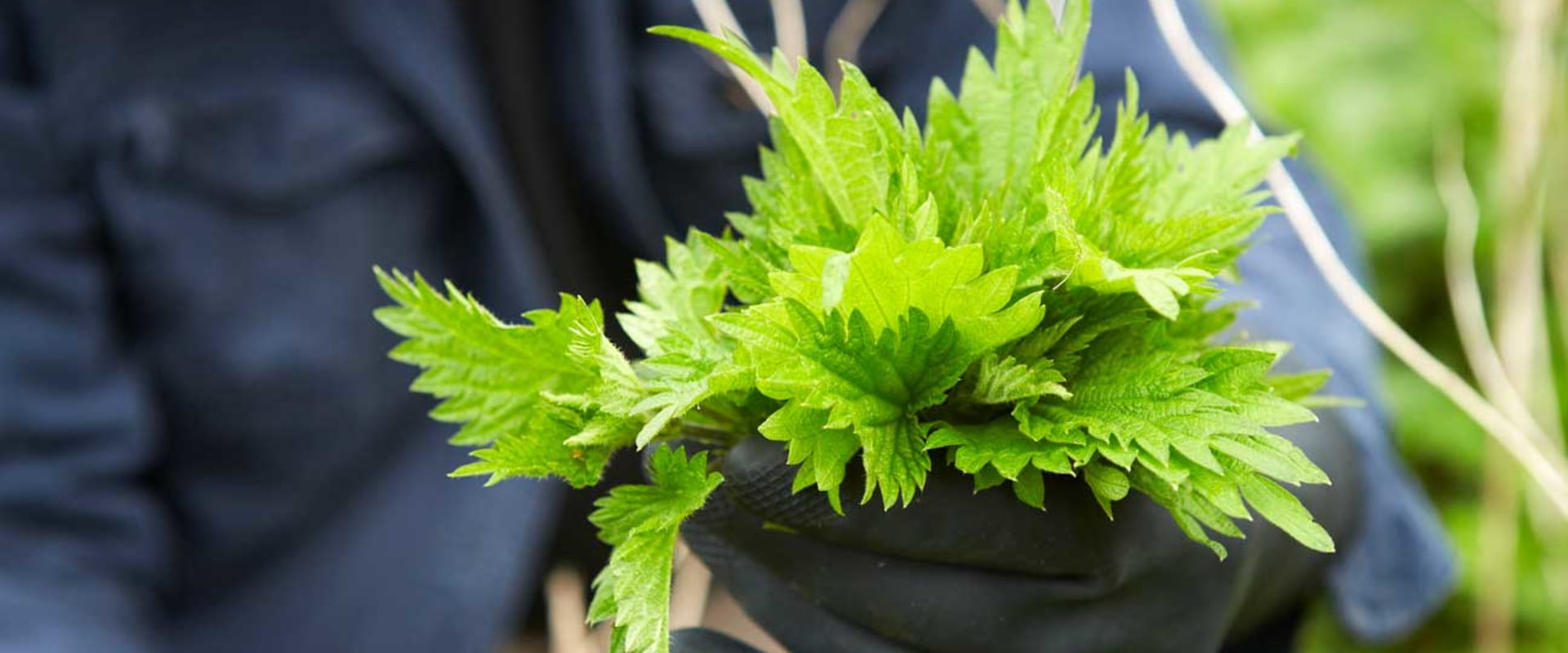
Stinging nettle, scientifically known as Urtica dioica, is a perennial plant that has been utilized for centuries in various cultures around the world. Historically, it has been revered not only for its culinary uses but also for its medicinal properties. Ancient civilizations, including the Romans and Greeks, recognized the plant's potential to alleviate ailments ranging from arthritis to respiratory issues. Today, the resurgence of interest in natural remedies has brought stinging nettle back into the spotlight, making it a popular choice among herbalists and health enthusiasts alike. One of the most compelling aspects of stinging nettle is its rich nutrient profile.
This herb is packed with vitamins A, C, K, and several B vitamins, along with essential minerals such as iron, calcium, magnesium, and potassium. These nutrients contribute to its reputation as a powerhouse of health benefits. As more people seek alternatives to conventional medicine, understanding the stinging nettle benefits becomes increasingly important. From its anti-inflammatory properties to its potential role in supporting urinary health, nettle offers a wide array of advantages that can enhance overall well-being. Moreover, stinging nettle is often consumed in various forms—whether as a tea, tincture, or supplement—making it accessible for those looking to incorporate it into their daily routine.
Its versatility extends beyond health benefits; nettle can also be used in culinary dishes, adding a unique flavor and nutritional boost to soups, stews, and salads. As we delve deeper into the world of stinging nettle, we will explore both its remarkable benefits and potential risks, providing a comprehensive overview that empowers individuals to make informed decisions about their health.
Nutritional Profile of Stinging Nettle
Stinging nettle, often overlooked as a mere weed, is a powerhouse of nutrition that can significantly enhance your daily diet. This herb is rich in a variety of essential vitamins and minerals that contribute to overall health and well-being.Vitamins in Stinging Nettle
- Vitamin A: Nettle is an excellent source of vitamin A, which is crucial for maintaining healthy vision, skin, and immune function. This vitamin also plays a vital role in cellular communication and growth.
- Vitamin C: Known for its antioxidant properties, vitamin C found in nettle helps protect the body against free radicals.
It also supports the immune system and aids in the absorption of iron from plant-based sources.
- B Vitamins: Stinging nettle contains several B vitamins, including B1 (thiamine), B2 (riboflavin), B3 (niacin), B5 (pantothenic acid), and B6 (pyridoxine). These vitamins are essential for energy production, brain function, and the synthesis of neurotransmitters.
Minerals in Stinging Nettle
- Iron: One of the standout minerals in nettle is iron, which is vital for the formation of hemoglobin in red blood cells. This mineral helps transport oxygen throughout the body, preventing fatigue and promoting energy levels.
- Calcium: Nettle is also a good source of calcium, which is essential for maintaining strong bones and teeth. Adequate calcium intake can help reduce the risk of osteoporosis and other bone-related conditions.
- Magnesium: This mineral plays a key role in over 300 biochemical reactions in the body, including muscle function, nerve transmission, and energy production.
Magnesium from nettle can help support cardiovascular health and regulate blood pressure.
- Potassium: Nettle contains potassium, which is important for maintaining proper fluid balance, nerve function, and muscle contractions. It can also help lower blood pressure by counteracting the effects of sodium.
Health Benefits of Stinging Nettle
Stinging nettle, often overlooked as a mere weed, is gaining recognition for its remarkable health benefits. This herb has been utilized in traditional medicine for centuries, and modern research is beginning to validate many of its claimed properties.One of the most notable aspects of stinging nettle is its potent anti-inflammatory properties , which can be particularly beneficial for individuals suffering from chronic pain conditions. Research indicates that stinging nettle may help alleviate joint pain associated with arthritis and other inflammatory disorders. The herb contains compounds such as flavonoids and phenolic acids, which are known to reduce inflammation in the body. By inhibiting the production of inflammatory mediators, nettle can potentially provide relief for those who experience discomfort in their joints. In addition to its anti-inflammatory effects, stinging nettle has been shown to support overall joint health. Some studies suggest that it may help improve mobility and reduce stiffness in individuals with osteoarthritis.
This makes it a valuable addition to the daily routine of those looking to manage their joint health naturally. Moreover, stinging nettle is rich in essential nutrients, including vitamins A, C, K, and several B vitamins, as well as minerals like iron, calcium, magnesium, and potassium. These nutrients not only contribute to overall health but also play a role in maintaining healthy bones and connective tissues. The presence of these vitamins and minerals can enhance the body’s ability to repair itself and reduce the risk of further joint damage. Another area where stinging nettle shows promise is in its potential to support urinary tract health. The herb has diuretic properties that can help flush out toxins and reduce the risk of urinary tract infections (UTIs).
This is particularly beneficial for individuals who are prone to such infections or those looking to maintain optimal urinary function. While the benefits of stinging nettle are compelling, it is essential to approach its use with caution. Individuals with allergies to plants in the Urticaceae family should avoid it, and pregnant women should consult their healthcare provider before incorporating it into their routine due to its potential effects on hormonal balance. In summary, stinging nettle offers a range of health benefits, particularly for those dealing with inflammation and joint pain. Its rich nutrient profile further enhances its appeal as a natural remedy. As always, it is advisable to consult with a healthcare professional before starting any new supplement regimen.
Potential Risks and Side Effects of Stinging Nettle
While the benefits of stinging nettle are well-documented, it is equally important to consider the potential risks and side effects associated with its consumption.Understanding these factors can help individuals make informed decisions about incorporating nettle into their daily routines.
Common Side Effects
Stinging nettle is generally considered safe for most people when consumed in moderate amounts. However, some individuals may experience side effects, including:- Gastrointestinal Issues: Some users report stomach upset, diarrhea, or nausea after consuming nettle. These symptoms are often mild and may subside with continued use.
- Allergic Reactions: Although rare, some individuals may have an allergic reaction to nettle. Symptoms can include skin rashes, itching, or difficulty breathing.
If any of these symptoms occur, it is crucial to seek medical attention immediately.
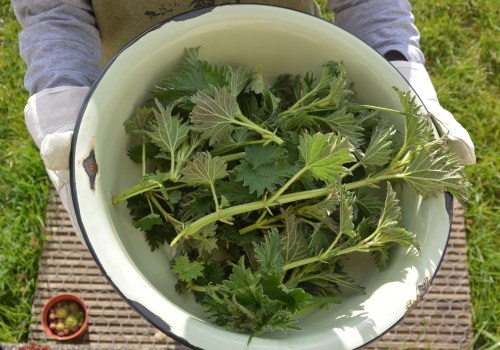
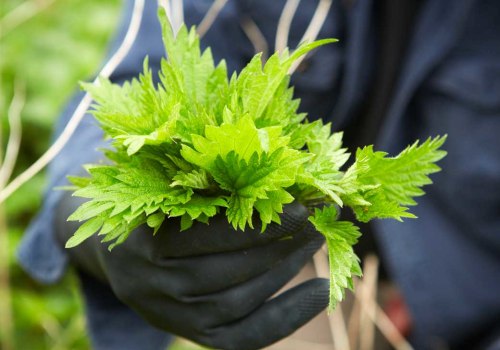
- Skin Irritation: The tiny hairs on fresh nettle leaves can cause skin irritation upon contact. It is advisable to wear gloves when handling fresh nettles to avoid stings.
Who Should Avoid Stinging Nettle?
Certain groups of people should exercise caution or avoid stinging nettle altogether:- Pregnant Women: Nettle may stimulate uterine contractions and alter menstrual cycles, which could pose risks during pregnancy. Pregnant women should consult their healthcare provider before using nettle.
- Nursing Mothers: There is limited research on the safety of nettle for breastfeeding mothers. It is best to err on the side of caution and consult a doctor.
- Individuals with Allergies: Those who have known allergies to plants in the Urticaceae family (which includes nettles) should avoid this herb entirely.
- People with Kidney Issues: Nettle has diuretic properties that can affect kidney function.
Individuals with existing kidney problems should consult a healthcare professional before using nettle.
Drug Interactions
Nettle may interact with certain medications, which can lead to adverse effects. Some notable interactions include:- Anticoagulants: Nettle may enhance the effects of blood-thinning medications like warfarin, increasing the risk of bleeding.
- Diuretics: Since nettle has diuretic properties, it may amplify the effects of other diuretics, leading to dehydration or electrolyte imbalances.
- Blood Pressure Medications: Nettle can lower blood pressure; thus, combining it with antihypertensive drugs may result in excessively low blood pressure.
How to Incorporate Stinging Nettle into Your Daily Routine
Incorporating stinging nettle into your daily routine can be both enjoyable and beneficial for your health. Here are some practical ways to use this versatile herb:1.Nettle Tea
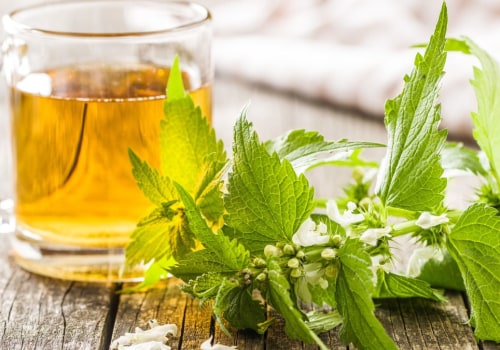
One of the simplest and most popular ways to consume stinging nettle is by making tea.Here’s a basic recipe:
- Ingredients:
- 1-2 teaspoons of dried stinging nettle leaves
- 1 cup of boiling water
- Honey or lemon (optional, for taste)
- Instructions:
- Add the dried nettle leaves to a cup.
- Pour boiling water over the leaves and let steep for 5-10 minutes.
- Strain the leaves and add honey or lemon if desired.
2.Adding Nettle to Meals
Nettle can also be incorporated into various dishes, enhancing both flavor and nutrition. Here are some ideas:- Soups: Add fresh or dried nettle leaves to soups for added nutrients. They pair well with potato or vegetable soups.
- Salads: Young nettle leaves can be used in salads. Just make sure to blanch them briefly in boiling water to neutralize their sting.
- Pesto: Blend nettle leaves with garlic, nuts, olive oil, and cheese to create a unique pesto that can be used on pasta or sandwiches.
3.Nettle Capsules and Extracts
If you prefer a more convenient option, consider taking nettle in capsule form or as an extract.These are widely available at health food stores and can easily be added to your daily supplement routine. Always follow the recommended dosage on the packaging. By incorporating stinging nettle into your daily routine through these methods, you can enjoy its numerous health benefits while adding variety to your diet. Remember to consult with a healthcare professional before starting any new herbal regimen, especially if you have existing health conditions or are taking medications.
Stinging Nettle in Traditional Medicine vs. Modern Research
Stinging nettle, known scientifically as Urtica dioica, has a rich history in traditional medicine, where it has been utilized for centuries across various cultures.Historically, herbalists have employed nettle for its numerous health benefits, including its use as a diuretic, anti-inflammatory agent, and remedy for respiratory issues. Ancient texts from the Greeks and Romans document its application in treating ailments such as arthritis and allergies. The leaves and roots of the plant were often brewed into teas or tinctures, showcasing the versatility of nettle in herbal practices. In traditional Chinese medicine, nettle is valued for its ability to promote blood circulation and alleviate pain. It is often combined with other herbs to enhance its therapeutic effects.
Similarly, Native American tribes have used nettle for various purposes, including as a food source and a treatment for skin conditions. As we transition into the realm of modern research, scientific studies are beginning to validate some of these traditional uses. Recent investigations have focused on the anti-inflammatory properties of stinging nettle, particularly in relation to conditions like arthritis. A study published in the journal Phytotherapy Research found that nettle extract significantly reduced joint pain and inflammation in participants suffering from osteoarthritis. Moreover, modern research has also explored nettle's potential role in managing benign prostatic hyperplasia (BPH). A clinical trial indicated that nettle root extract could help alleviate urinary symptoms associated with BPH, providing a natural alternative to conventional medications. Ongoing studies are delving deeper into the plant's effects on the gut microbiome, suggesting that nettle may positively influence digestive health by promoting beneficial bacteria.
This aligns with traditional beliefs about nettle's ability to support overall wellness. While traditional medicine offers a wealth of anecdotal evidence regarding the benefits of stinging nettle, modern research is crucial for substantiating these claims. As scientists continue to investigate the various properties of this remarkable herb, we may uncover even more applications that bridge ancient wisdom with contemporary health practices.
Frequently Asked Questions about Stinging Nettle
As interest in herbal remedies continues to grow, many people have questions about stinging nettle and its potential benefits and risks. Below are some of the most frequently asked questions regarding this versatile plant.What is stinging nettle?
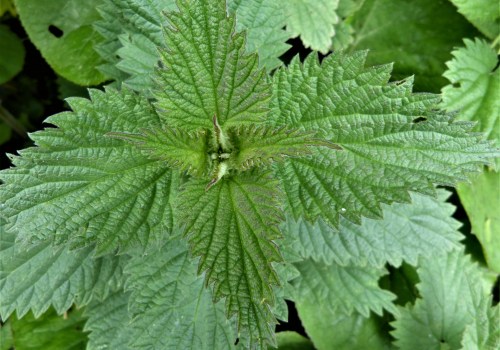
Stinging nettle (Urtica dioica) is a perennial plant known for its serrated leaves and tiny stinging hairs that can cause skin irritation upon contact. Despite its prickly reputation, nettle has been used for centuries in traditional medicine for its numerous health benefits.What are the health benefits of stinging nettle?
- Anti-inflammatory properties: Nettle is often used to alleviate joint pain and inflammation, making it a popular choice for those suffering from arthritis.
- Rich in nutrients: Nettle leaves are packed with vitamins A, C, K, and several B vitamins, as well as minerals like iron, calcium, and magnesium.
- Supports urinary health: Nettle may help promote urinary function and reduce symptoms associated with benign prostatic hyperplasia (BPH).
- Allergy relief: As a natural antihistamine, nettle can help alleviate symptoms of hay fever and other allergic reactions.
Is stinging nettle safe to consume?
For most people, consuming stinging nettle in moderation is considered safe.However, there are certain groups who should exercise caution:
- Pregnant women: Nettle may stimulate uterine contractions and should be avoided during pregnancy.
- Individuals on blood thinners: Nettle can affect blood clotting; consult your healthcare provider if you are taking anticoagulant medications.
- People with allergies: If you have a known allergy to nettles or related plants, it’s best to avoid them altogether.
How can I incorporate stinging nettle into my diet?
Nettle can be consumed in various forms, including:- Nettle tea: Steeping dried nettle leaves in hot water is a popular way to enjoy its benefits.
- Nettle capsules or extracts: These supplements provide a concentrated dose of the herb.
- Culinary uses: Young nettle leaves can be cooked and added to soups, stews, or smoothies.
Conclusion: Weighing the Pros and Cons of Stinging Nettle
In summary, the decision to incorporate stinging nettle into your daily routine requires careful consideration of both its potential benefits and risks. As we have explored, nettle is rich in nutrients and offers a variety of health advantages that can enhance overall well-being.Benefits of Stinging Nettle:
- Anti-inflammatory Properties: Nettle has been shown to alleviate joint pain and inflammation, making it a potential natural remedy for conditions like arthritis.
- Rich Nutritional Profile: This herb is a good source of vitamins A, C, K, and several B vitamins, along with essential minerals such as calcium, magnesium, and iron.
- Support for Urinary Health: Nettle may help improve urinary function and reduce symptoms associated with benign prostatic hyperplasia (BPH).
- Skin Health: Its antihistamine properties can aid in treating skin conditions like acne and eczema.
- Gut Health: Emerging research suggests that nettle may positively influence the gut microbiome, promoting digestive health.
Risks of Stinging Nettle:
- Allergic Reactions: Some individuals may experience allergic reactions to nettle, particularly those with sensitivities to similar plants.
- Pregnancy Concerns: Pregnant women should avoid nettle due to its potential effects on the menstrual cycle.
- Medication Interactions: Nettle can interact with certain medications, especially those affecting urine production or blood pressure.