Field note
The Safety of Long-Term Use of Nettle: An Expert's Perspective on Stinging Nettle Benefits
Explore the safety and health benefits of long-term stinging nettle use from an expert's perspective. Learn about its nutritional profile and precautions.
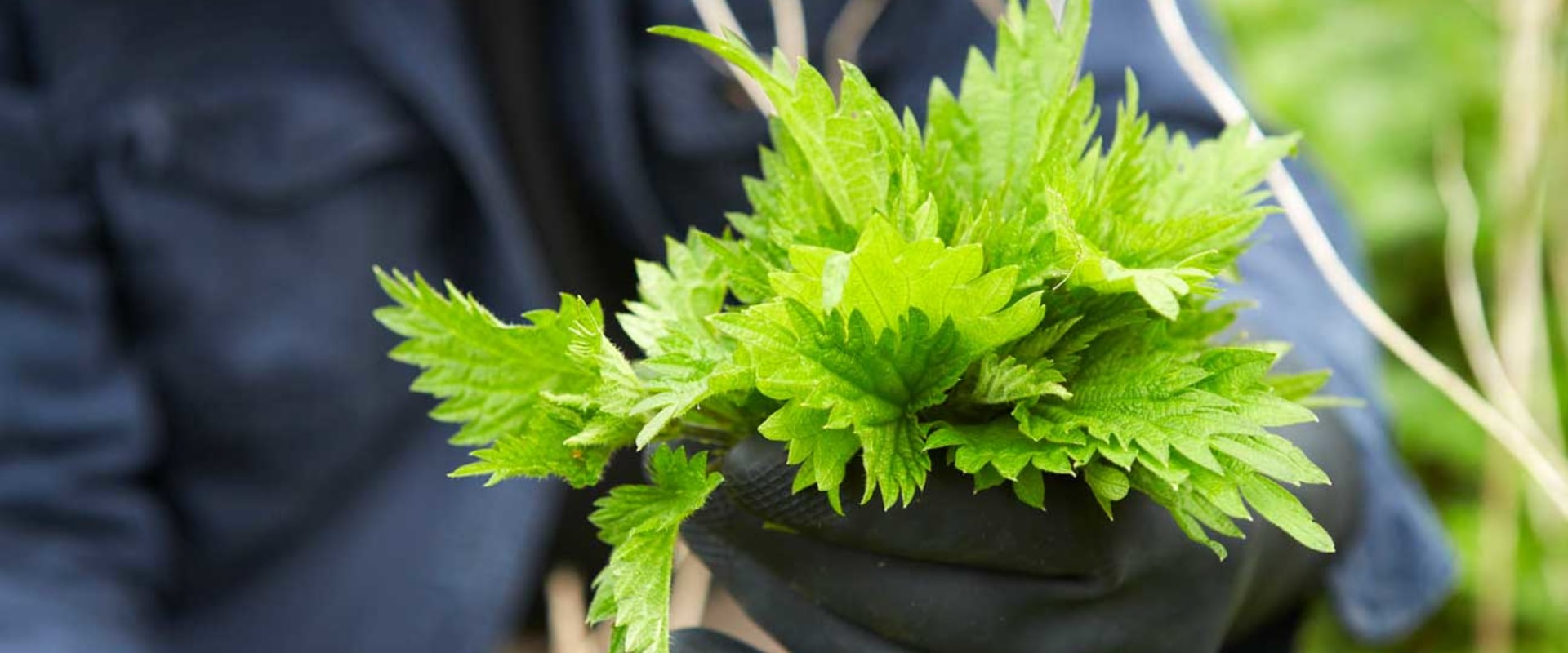
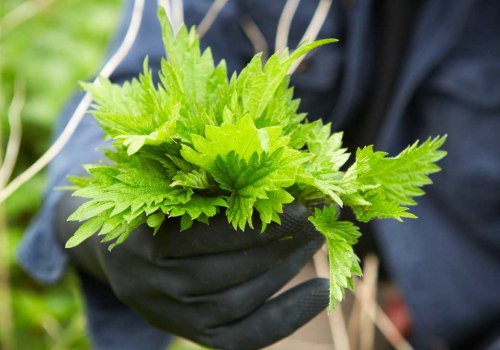
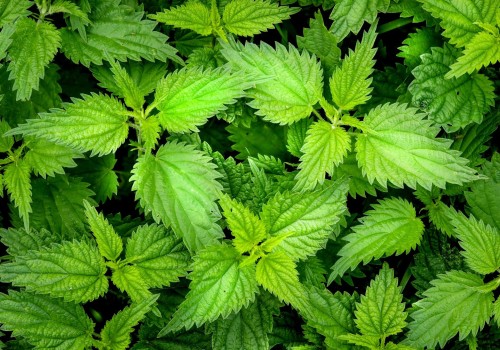
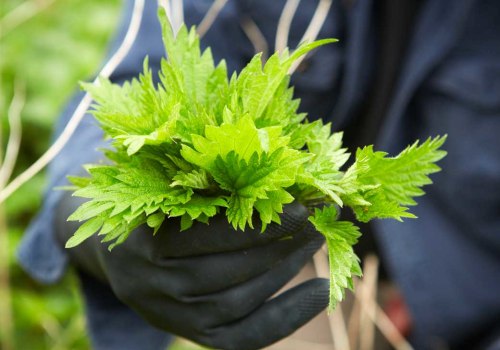
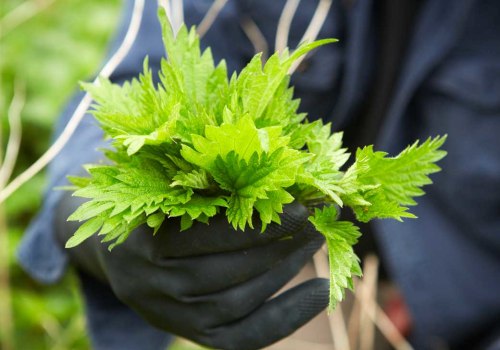
The stinging nettle (Urtica dioica) is a perennial plant that has been revered for centuries, not only for its unique properties but also for its extensive range of uses in traditional and modern herbal medicine. Often found in temperate regions across Europe, Asia, and North America, this plant is easily recognizable by its serrated leaves and tiny, hair-like structures that can deliver a painful sting when touched. Despite its reputation for causing discomfort, the nettle plant is packed with nutrients and bioactive compounds that offer numerous health benefits. Historically, stinging nettle has been utilized in various cultures for its medicinal properties. Ancient Greeks and Romans used it to treat ailments such as arthritis and respiratory issues.
In traditional Chinese medicine, nettle has been employed to promote blood circulation and alleviate pain. Today, the resurgence of interest in natural remedies has brought stinging nettle back into the spotlight, as more people seek alternatives to conventional pharmaceuticals. The benefits of stinging nettle are vast and varied. Rich in vitamins A, C, K, and several B vitamins, as well as minerals like iron, calcium, magnesium, and potassium, this herb is a nutritional powerhouse. Additionally, it contains anti-inflammatory compounds that may help reduce symptoms associated with conditions like allergies and arthritis.
Many individuals have turned to stinging nettle for its potential to support urinary health and alleviate symptoms of benign prostatic hyperplasia (BPH) in men. As we delve deeper into the world of stinging nettle, it becomes essential to understand not only its benefits but also the safety of long-term use. While many people have experienced positive outcomes from incorporating this herb into their daily routines, it is crucial to approach its use with knowledge and caution. By exploring the various applications of the nettle plant and examining expert perspectives on its safety, we can better appreciate this remarkable herb's role in holistic health.
Nutritional Profile of Stinging Nettle
Stinging nettle, scientifically known as Urtica dioica, is not only recognized for its medicinal properties but also for its impressive nutritional profile. This herb is a powerhouse of essential vitamins and minerals that contribute to its numerous health benefits.Vitamins in Stinging Nettle
- Vitamin A: Nettle is rich in vitamin A, which is crucial for maintaining healthy vision, skin, and immune function.
This vitamin also plays a significant role in cellular communication and reproduction.
- Vitamin C: Known for its antioxidant properties, vitamin C in nettle helps protect the body against oxidative stress. It also supports the immune system and aids in collagen production, which is vital for skin health.
- B Vitamins: Stinging nettle contains several B vitamins, including B1 (thiamine), B2 (riboflavin), B3 (niacin), B5 (pantothenic acid), and B6 (pyridoxine). These vitamins are essential for energy metabolism, brain function, and the synthesis of neurotransmitters.
Minerals in Stinging Nettle
- Iron: One of the standout minerals in nettle is iron, which is vital for the formation of hemoglobin in red blood cells. Adequate iron levels help prevent anemia and support overall energy levels.
- Calcium: Nettle is a good source of calcium, essential for maintaining strong bones and teeth.
It also plays a role in muscle function and nerve signaling.
- Magnesium: This mineral is important for over 300 biochemical reactions in the body, including muscle and nerve function, blood glucose control, and blood pressure regulation.
- Potassium: Nettle contains potassium, which helps regulate fluid balance, muscle contractions, and nerve signals. It is also important for heart health.
- Zinc: Zinc found in nettle supports immune function, wound healing, and DNA synthesis. It also plays a role in taste perception and skin health.
Incorporating stinging nettle into your meals can be as simple as adding it to soups, teas, or smoothies, allowing you to reap its nutritional benefits while enjoying its unique flavor.
Health Benefits of Stinging Nettle
Stinging nettle, scientifically known as Urtica dioica, has been utilized for centuries in traditional medicine due to its remarkable health benefits. This herb is not only known for its stinging properties but also for its potential therapeutic effects, particularly in managing inflammation and allergies.Anti-Inflammatory Properties
One of the most significant health benefits of stinging nettle is its anti-inflammatory properties. Research suggests that nettle contains various bioactive compounds, including flavonoids and phenolic acids, which can help reduce inflammation in the body. This makes it a valuable option for individuals suffering from inflammatory conditions such as arthritis and gout. In clinical studies, patients with osteoarthritis reported a decrease in pain and improved joint function after incorporating nettle extract into their treatment regimen.
The herb may inhibit the production of inflammatory markers, thereby alleviating symptoms associated with chronic inflammatory diseases.
Nettle for Allergies
Stinging nettle is also recognized for its potential to relieve allergy symptoms. It acts as a natural antihistamine, which can be particularly beneficial for those suffering from seasonal allergies or hay fever. The leaves of the nettle plant contain compounds that may block the release of histamines, reducing symptoms such as sneezing, itching, and nasal congestion.
Many individuals have found relief from allergic reactions by consuming nettle tea or supplements during allergy season. This natural approach can be a safer alternative to conventional antihistamines, which often come with side effects.
Other Potential Uses
- Support for Urinary Health: Nettle has diuretic properties that may help promote urinary tract health by flushing out toxins and preventing urinary infections.
- Nutrient-Rich Profile: Stinging nettle is packed with vitamins A, C, K, and several B vitamins, along with essential minerals like iron, calcium, and magnesium.
This nutrient density supports overall health and wellness.
- Skin Health: Topical applications of nettle extract may aid in treating skin conditions such as eczema and acne due to its anti-inflammatory and antimicrobial properties.
Safety Considerations for Long-Term Use of Nettle
When considering the long-term use of stinging nettle, it is essential to evaluate its safety profile, including potential side effects and interactions with medications. While many individuals have reported positive outcomes from incorporating nettle into their health regimen, understanding the risks involved is equally important.Potential Side Effects of Nettle
- Gastrointestinal Issues: One of the most frequently reported side effects of nettle is gastrointestinal discomfort.
Users may experience symptoms such as diarrhea, constipation, or stomach cramps. These effects can often be mitigated by starting with a lower dose and gradually increasing it.
- Allergic Reactions: Some individuals may develop an allergic reaction to nettle, which can manifest as skin rashes, itching, or respiratory issues. If you notice any adverse reactions after using nettle, it is advisable to discontinue use and consult a healthcare professional.
- Skin Irritation: Direct contact with fresh nettle leaves can cause skin irritation due to the plant's stinging hairs. It is crucial to handle the plant carefully and avoid applying it to open wounds or sensitive areas.
Nettle Interactions with Medications
Nettle may interact with various medications, which can alter their effectiveness or increase the risk of side effects.
Here are some key interactions to be aware of:
- Anticoagulants: Nettle has blood-thinning properties, which may enhance the effects of anticoagulant medications like warfarin. This could lead to an increased risk of bleeding.
- Diuretics: Nettle may have diuretic effects, potentially amplifying the impact of diuretic medications and leading to dehydration or electrolyte imbalances.
- Blood Pressure Medications: If you are taking medications for hypertension, nettle could lower blood pressure further, necessitating careful monitoring.
How to Use Stinging Nettle Safely
Incorporating stinging nettle into your health regimen can be beneficial, but it’s essential to use it safely and effectively. Here are some practical guidelines on how to use stinging nettle, including recommended dosages and preparation methods.Recommended Dosage of Nettle Supplements
The appropriate dosage of nettle can vary based on the form in which it is consumed.For those considering nettle supplements, the typical recommended daily dosage ranges from 300 mg to 600 mg. However, it is crucial to follow the specific instructions provided on the product label or consult with a healthcare professional for personalized advice.
Preparing Nettle Tea
Nettle tea is a popular way to enjoy the benefits of this herb. Here’s a simple method to prepare it:- Gather Fresh Nettle: If you’re using fresh nettle, wear gloves to avoid being stung. Harvest young leaves from the top of the plant.
- Wash Thoroughly: Rinse the leaves under cold water to remove any dirt or insects.
- Boil Water: Bring water to a boil in a pot.
A good ratio is about 1 cup of water for every 1-2 teaspoons of dried nettle leaves or a handful of fresh leaves.
- Add Nettle: Once the water is boiling, add the nettle leaves and reduce the heat. Let it steep for about 5-10 minutes.
- Strain and Serve: After steeping, strain the tea into a cup. You can add honey or lemon for flavor if desired.
Precautions When Using Nettle
While nettle is generally safe for most people, there are some precautions to consider:- Consult with a Healthcare Professional: Before starting any new supplement, especially if you are pregnant, nursing, or have existing health conditions.
- Avoid Allergies: If you have known allergies to plants in the Urticaceae family, exercise caution when using nettle.
- Monitor for Side Effects: Be aware of potential side effects such as gastrointestinal discomfort or skin irritation. If these occur, discontinue use and consult a healthcare provider.
Research and Studies on Stinging Nettle
Research into the benefits of stinging nettle has gained momentum in recent years, with numerous studies exploring its potential therapeutic applications.One of the most significant areas of investigation has been its anti-inflammatory properties, which may be beneficial for conditions such as arthritis and other inflammatory disorders. In a randomized, double-blind, placebo-controlled trial published in the Journal of Herbal Medicine, researchers found that participants who consumed nettle extract experienced a notable reduction in joint pain and stiffness compared to those receiving a placebo. This study highlights the potential of nettle as a natural alternative for managing symptoms associated with osteoarthritis. Another area of interest is nettle's role in alleviating symptoms of benign prostatic hyperplasia (BPH). A clinical trial conducted by the European Urology journal indicated that men taking nettle root extract reported improved urinary function and reduced discomfort. The findings suggest that nettle may offer a safe and effective option for men seeking relief from BPH symptoms. Moreover, research has also focused on the safety profile of stinging nettle.
A comprehensive review published in Phytotherapy Research examined various studies and concluded that when used appropriately, nettle is generally safe for long-term use. The review emphasized the importance of adhering to recommended dosages to minimize potential side effects, such as gastrointestinal discomfort. Despite its promising benefits, it is crucial to note that more extensive clinical trials are needed to fully understand the efficacy and safety of nettle across different populations. Ongoing research aims to clarify its mechanisms of action and explore its potential interactions with other medications. In summary, while current studies indicate that stinging nettle may offer several health benefits, including anti-inflammatory effects and support for prostate health, further research is essential to establish comprehensive guidelines for its use. As always, individuals should consult healthcare professionals before incorporating nettle into their health regimen.
Frequently Asked Questions about Stinging Nettle
Stinging nettle, known scientifically as Urtica dioica, has garnered attention for its potential health benefits, but many individuals have questions regarding its safety and usage.Below are some frequently asked questions that address common concerns about this remarkable herb.
Is Nettle Safe for Everyone?
While stinging nettle is generally considered safe for most people when used appropriately, there are certain groups who should exercise caution:- Pregnant and Nursing Women: Due to limited research on the effects of nettle during pregnancy and lactation, it is advisable for women in these categories to consult a healthcare professional before use.
- Individuals with Allergies: Those who are allergic to plants in the same family as nettle may experience adverse reactions. It’s important to be aware of any personal allergies before incorporating nettle into your routine.
- People with Certain Medical Conditions: Individuals with kidney issues or those on blood thinners should consult their doctor, as nettle may interact with medications or exacerbate certain conditions.
Can You Take Too Much Nettle?
As with any supplement or herbal remedy, moderation is key. While stinging nettle is beneficial, excessive consumption can lead to side effects. Common symptoms of overconsumption may include:- Gastrointestinal discomfort, such as nausea or diarrhea
- Skin irritation if applied topically in large amounts
- Potential interactions with medications, particularly diuretics or anticoagulants
Always adhere to the guidelines provided on the product label or seek advice from a healthcare provider. In summary, while stinging nettle offers numerous health benefits, it is essential to approach its use with care and awareness. Consulting a healthcare professional can help ensure that you are using this herb safely and effectively.
Conclusion: The Expert's Perspective on Nettle Safety and Benefits
In summary, the long-term use of stinging nettle presents a range of potential benefits, making it a valuable addition to many individuals' health regimens. As discussed, nettle is rich in essential nutrients and possesses anti-inflammatory and analgesic properties that may aid in managing various health conditions, including arthritis and allergies. However, it is crucial to approach its use with caution and awareness. While nettle is generally considered safe when used appropriately, some individuals may experience side effects such as gastrointestinal discomfort or skin irritation.These reactions underscore the importance of handling the plant carefully and adhering to recommended dosages. For those considering nettle supplements, the typical daily dosage ranges from 300 to 600 mg, but it is always advisable to follow specific product guidelines or consult a healthcare professional. Moreover, the potential for interactions with medications cannot be overlooked. Individuals taking prescription drugs should consult their healthcare provider before incorporating nettle into their routine to avoid any adverse effects. This precaution is particularly vital for those with underlying health conditions or those who are pregnant or breastfeeding. Research into the benefits of nettle continues to evolve, with studies indicating promising results in symptom relief for various ailments.
However, more extensive research is necessary to fully understand its efficacy and safety profile across different populations. Ultimately, while the expert consensus leans towards the safety of long-term nettle use when taken as directed, individual experiences may vary. Therefore, maintaining open communication with healthcare professionals is essential for anyone considering this herb as part of their health strategy. By doing so, individuals can make informed decisions that align with their health goals while minimizing risks.