Field note
The Truth About Nettle Tea and Testosterone: Exploring the Benefits of Stinging Nettle
Discover the truth about stinging nettle tea and its effects on testosterone levels. Explore its health benefits and nutritional profile.
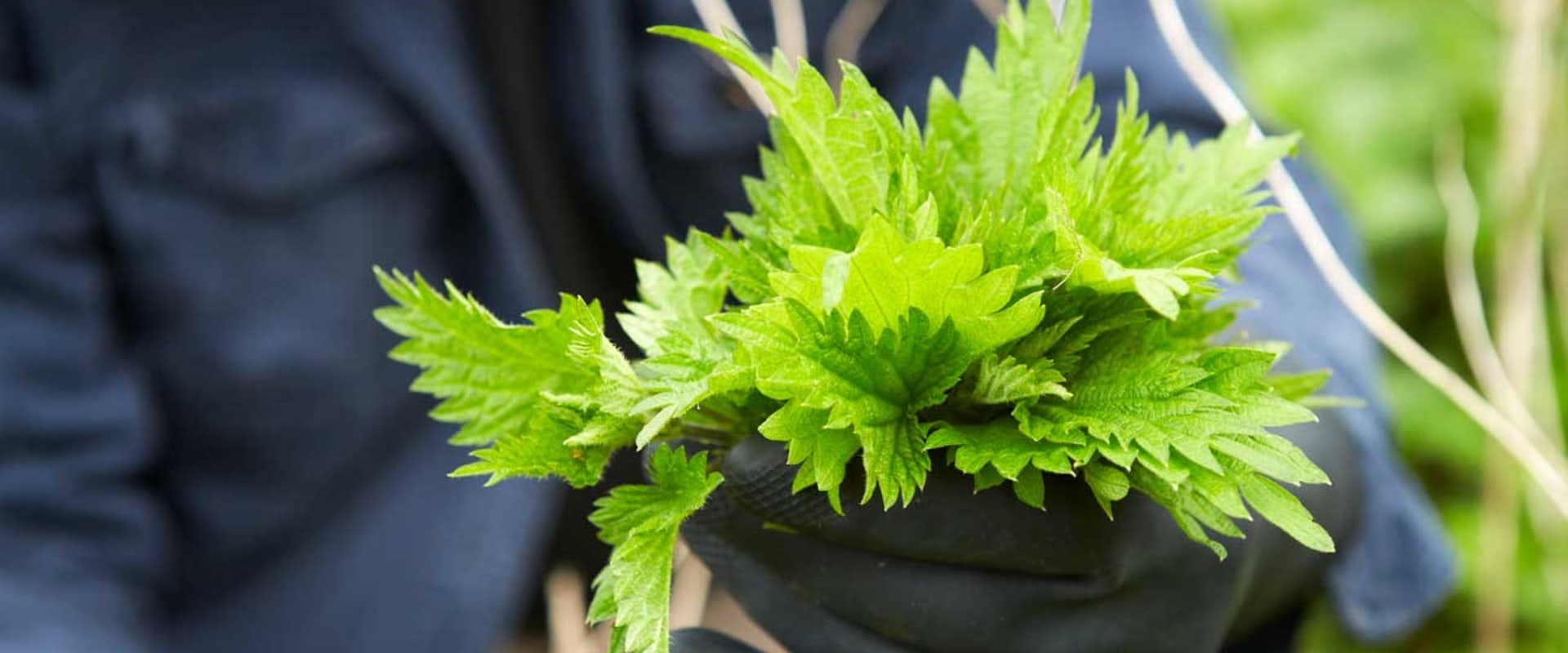
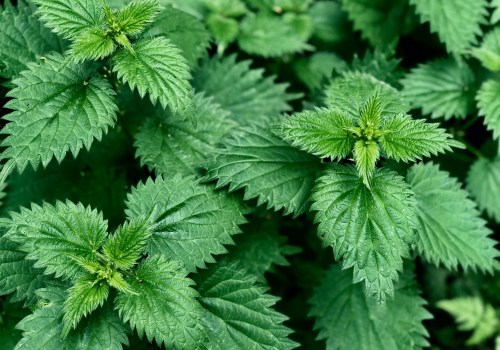
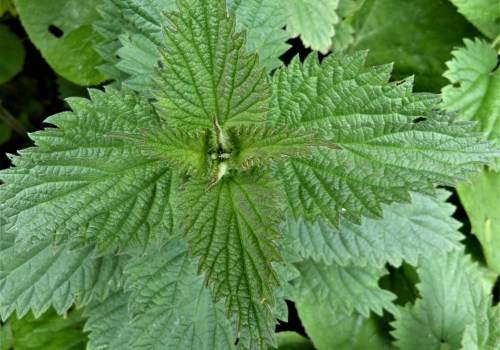
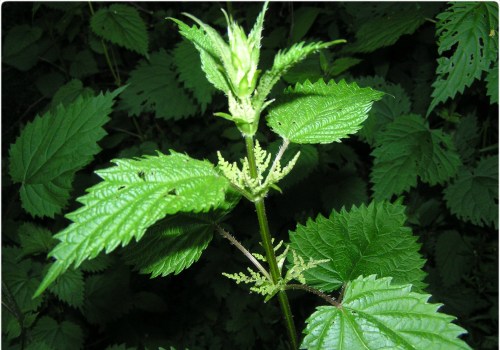
Stinging nettle, scientifically known as Urtica dioica, is a perennial herb that has been revered for centuries for its remarkable health benefits. Native to Europe, Asia, and North America, this plant is often found in damp, shaded areas and is easily recognizable by its serrated leaves and tiny stinging hairs. Historically, stinging nettle has been utilized in various cultures for its medicinal properties, ranging from treating inflammatory conditions to alleviating allergies. Its rich history in herbal medicine underscores its significance as a natural remedy. The benefits of stinging nettle are extensive, making it a popular choice among herbalists and health enthusiasts alike.
This plant is packed with essential nutrients, including vitamins A, C, K, and several B vitamins, as well as minerals like iron, calcium, magnesium, and potassium. These components contribute to its anti-inflammatory and antioxidant properties, which can support overall health and well-being. Additionally, stinging nettle has been traditionally used to address various ailments such as arthritis, urinary tract infections, and even hay fever. One of the most popular ways to consume stinging nettle is through nettle tea. This herbal infusion not only offers a pleasant taste but also allows individuals to harness the plant's numerous health benefits in a convenient form.
Nettle tea is often praised for its potential to improve digestion, boost the immune system, and promote healthy skin. As we delve deeper into the relationship between stinging nettle and testosterone levels, it becomes essential to understand how this remarkable herb can play a role in hormonal balance and overall health.
The Nutritional Profile of Stinging Nettle
Stinging nettle, scientifically known as Urtica dioica, is not only recognized for its medicinal properties but also for its impressive nutritional profile. This perennial herb is packed with a variety of vitamins and minerals that contribute significantly to overall health and well-being.Vitamins in Stinging Nettle
- Vitamin A: Nettle leaves are rich in vitamin A, which is essential for maintaining healthy vision, skin, and immune function. This vitamin plays a crucial role in cellular communication and is vital for the growth and development of various tissues.
- Vitamin C: Known for its antioxidant properties, vitamin C found in nettle helps combat oxidative stress in the body.
It supports the immune system, aids in collagen production, and enhances iron absorption from plant-based foods.
- Vitamin K: This vitamin is important for blood clotting and bone health. Nettle provides a good source of vitamin K, which helps maintain strong bones and may reduce the risk of fractures.
- B Vitamins: Stinging nettle contains several B vitamins, including B1 (thiamine), B2 (riboflavin), B3 (niacin), B5 (pantothenic acid), and B6 (pyridoxine). These vitamins are crucial for energy metabolism, brain function, and the synthesis of neurotransmitters.
Minerals in Stinging Nettle
- Iron: Nettle is an excellent source of iron, which is essential for the production of hemoglobin in red blood cells. Adequate iron levels help prevent anemia and ensure that oxygen is efficiently transported throughout the body.
- Calcium: This mineral is vital for bone health and muscle function.
The calcium content in nettle can contribute to meeting daily requirements, especially for those who follow a plant-based diet.
- Magnesium: Magnesium plays a key role in over 300 biochemical reactions in the body, including energy production, muscle contraction, and nerve function. Nettle's magnesium content supports cardiovascular health and helps regulate blood pressure.
- Potassium: Important for maintaining fluid balance and proper muscle function, potassium found in nettle can help regulate blood pressure levels and support heart health.
How Nettle Affects Hormonal Balance
The relationship between stinging nettle and hormonal balance is a fascinating area of study, particularly regarding its effects on testosterone levels.While nettle does not directly increase testosterone production, it plays a significant role in maintaining hormonal equilibrium through two primary mechanisms: aromatase inhibition and binding to sex hormone-binding globulin (SHBG).
Aromatase Inhibition
Aromatase is an enzyme that converts testosterone into estrogen, which can lead to hormonal imbalances if not properly regulated. By inhibiting aromatase activity, nettle helps to preserve testosterone levels in the body. This is particularly important for men who may experience symptoms of low testosterone due to increased estrogen levels. Studies have suggested that the compounds found in nettle can effectively reduce the activity of aromatase, thereby allowing for a healthier balance between testosterone and estrogen.
Binding to SHBG
Another critical aspect of nettle's influence on hormonal balance is its ability to bind to SHBG.
SHBG is a protein that transports sex hormones, including testosterone, throughout the bloodstream. When testosterone binds to SHBG, it becomes inactive and unavailable for use by the body. Nettle's interaction with SHBG can help free up more testosterone for biological activity, enhancing its effects on muscle growth, energy levels, and overall vitality. This dual action of inhibiting aromatase and binding to SHBG makes nettle a valuable ally for those looking to support their hormonal health. For individuals concerned about their testosterone levels or experiencing symptoms related to hormonal imbalances, incorporating nettle tea into their diet may offer a natural way to promote better health. In summary, while stinging nettle does not directly boost testosterone production, its ability to inhibit aromatase and bind to SHBG can significantly influence testosterone availability in the body.
This makes it an important herb for maintaining hormonal balance and supporting overall well-being.
The Role of Nettle in Prostate Health
The health of the prostate is a significant concern for many men, particularly as they age. One of the most common conditions affecting prostate health is benign prostatic hyperplasia (BPH), which is characterized by an enlargement of the prostate gland. This condition can lead to uncomfortable symptoms such as frequent urination, difficulty starting or stopping urination, and a weak urine stream. As men seek natural remedies to alleviate these symptoms, stinging nettle has emerged as a potential ally in promoting prostate health. Research suggests that nettle may play a beneficial role in managing BPH symptoms.The plant contains various bioactive compounds that can help reduce inflammation and inhibit the growth of prostate cells. One of the key mechanisms through which nettle exerts its effects is by blocking the action of certain hormones that contribute to prostate enlargement. Specifically, nettle has been shown to inhibit the enzyme 5-alpha-reductase , which converts testosterone into dihydrotestosterone (DHT), a hormone linked to prostate growth. By reducing DHT levels, nettle may help alleviate some of the discomfort associated with BPH. In clinical studies, men who consumed nettle root extract reported improvements in urinary function and a reduction in BPH-related symptoms.
This makes nettle not only a potential treatment option but also a valuable component of a holistic approach to prostate health. Moreover, nettle's ability to bind to sex hormone-binding globulin (SHBG) can enhance the availability of testosterone in the body. This is particularly important because maintaining balanced testosterone levels is crucial for overall male health and can influence prostate function. By supporting healthy testosterone levels while mitigating the effects of DHT, nettle may help create an optimal hormonal environment for prostate health. While nettle shows promise as a natural remedy for BPH, it is essential to approach its use with caution. It should not be viewed as a replacement for conventional medical treatments but rather as a complementary therapy.
Men experiencing symptoms of BPH should consult with healthcare professionals to develop a comprehensive treatment plan that may include lifestyle changes, dietary adjustments, and appropriate medical interventions. In summary, stinging nettle offers several potential benefits for prostate health, particularly in managing benign prostatic hyperplasia. Its ability to inhibit DHT production and support testosterone availability makes it a noteworthy option for those seeking natural solutions for prostate-related issues.
Nettle Root vs. Nettle Leaf: Understanding Their Differences
Nettle, scientifically known as Urtica dioica, is a versatile plant that has been utilized for its medicinal properties for centuries. Both the root and the leaf of the nettle plant offer unique health benefits, particularly in relation to hormonal health.Understanding the differences between nettle root and nettle leaf is essential for anyone looking to harness their therapeutic potential.
Nettle Leaf Benefits
The leaves of the nettle plant are rich in vitamins and minerals, making them a popular choice for various health applications. Some of the notable benefits of nettle leaf include:- Anti-inflammatory Properties: Nettle leaves contain compounds that can help reduce inflammation in the body, making them beneficial for conditions like arthritis and allergies.
- Rich in Nutrients: Nettle leaves are packed with vitamins A, C, K, and several B vitamins, along with essential minerals such as iron, calcium, magnesium, and potassium.
- Antioxidant Effects: The high antioxidant content in nettle leaves helps combat oxidative stress, protecting cells from damage caused by free radicals.
- Support for Urinary Health: Nettle leaf is often used to promote urinary tract health and may help alleviate symptoms associated with benign prostatic hyperplasia (BPH).
Nettle Root Benefits
Nettle root, on the other hand, is particularly noted for its effects on hormonal balance. Here are some key benefits associated with nettle root:- Hormonal Regulation: Nettle root has been shown to inhibit 5-alpha-reductase, an enzyme that converts testosterone into dihydrotestosterone (DHT). This action can be particularly beneficial for men experiencing symptoms related to excess androgens.
- Prostate Health: Research suggests that nettle root may help reduce symptoms of BPH by slowing prostate cell growth and decreasing testosterone's effects on the prostate.
- Support for Women’s Health: In women, nettle root may help manage symptoms of polycystic ovary syndrome (PCOS) by balancing hormone levels and reducing excess androgen effects.
Nettle leaf is primarily valued for its nutritional content and anti-inflammatory properties, whereas nettle root is more focused on hormonal regulation and prostate health. Depending on individual health needs, one may choose to incorporate either or both forms of nettle into their wellness regimen.
Potential Benefits of Nettle Tea
Nettle tea, derived from the leaves of the stinging nettle plant (Urtica dioica), has gained popularity as a natural remedy due to its numerous health benefits. This herbal infusion is not only refreshing but also packed with essential nutrients that can contribute to overall wellness. One of the most notable benefits of nettle tea is its anti-inflammatory properties. Chronic inflammation is linked to various health issues, including heart disease, diabetes, and arthritis.Studies have shown that nettle contains compounds such as flavonoids and phenolic acids, which can help reduce inflammation in the body. By incorporating nettle tea into your daily routine, you may experience a decrease in inflammatory markers, leading to improved joint health and reduced discomfort. Another significant advantage of nettle tea is its potential to support healthy blood pressure levels. Nettle has been traditionally used to promote cardiovascular health, and recent research suggests that it may help lower blood pressure by acting as a natural diuretic. This means that it can assist in flushing excess sodium and water from the body, which can alleviate strain on the heart and blood vessels.
Regular consumption of nettle tea may contribute to maintaining optimal blood pressure levels, making it a beneficial addition for those concerned about heart health. Moreover, nettle tea is rich in vitamins and minerals, including vitamin C, vitamin K, iron, and magnesium. These nutrients play vital roles in various bodily functions, from boosting the immune system to supporting bone health. The high antioxidant content in nettle tea also helps combat oxidative stress, protecting cells from damage caused by free radicals. For those interested in how to make nettle tea, the process is simple:
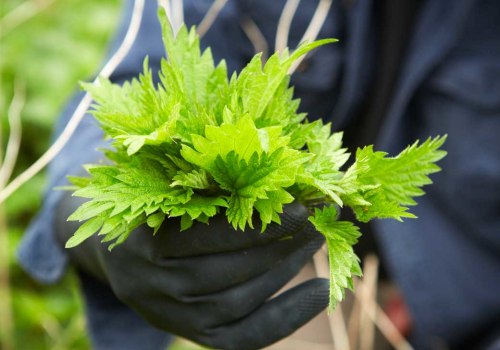
- Gather fresh or dried nettle leaves: If using fresh leaves, wear gloves to avoid being stung.
- Boil water: Bring water to a rolling boil.
- Add nettle leaves: Place 1-2 teaspoons of dried nettle leaves or a handful of fresh leaves into a teapot or infuser.
- Steep: Pour boiling water over the leaves and let steep for 5-10 minutes.
- Strain and enjoy: Remove the leaves and enjoy your nettle tea hot or cold.
By incorporating this herbal infusion into your daily routine, you can take a step towards enhancing your overall wellness.
Addressing Common Myths About Nettle and Testosterone
When it comes to stinging nettle and its relationship with testosterone, several myths and misconceptions have emerged over time. Understanding the truth behind these claims is essential for anyone considering nettle tea as a supplement for hormonal health.Myth 1: Nettle Tea Directly Increases Testosterone Levels
One of the most prevalent myths is that consuming nettle tea can directly boost testosterone production. While nettle does have some influence on hormone levels, it does not stimulate the body to produce more testosterone. Instead, its primary role is to help maintain a healthy balance of hormones by inhibiting the aromatase enzyme, which converts testosterone into estrogen.
This means that while nettle may help preserve existing testosterone levels, it does not increase their production.
Myth 2: All Parts of the Nettle Plant Have the Same Effects
Another common misconception is that all parts of the nettle plant provide identical benefits. In reality, the root and leaf of the stinging nettle serve different purposes. The root is often used for its potential benefits in managing symptoms related to excess androgens, while the leaf is rich in vitamins and antioxidants that support overall health. Understanding these differences can help individuals choose the right form of nettle for their specific needs.
Myth 3: Nettle Tea Is a Miracle Cure for Hormonal Imbalances
Some people believe that drinking nettle tea can serve as a miracle cure for all hormonal issues, including low testosterone.
While nettle can be a beneficial addition to a balanced diet and may help alleviate certain symptoms associated with hormonal imbalances, it should not be viewed as a standalone treatment. It is crucial to consult with healthcare professionals for comprehensive management of hormonal health.
Myth 4: Nettle Has No Side Effects
Lastly, there is a belief that nettle tea is completely free from side effects. While many people tolerate nettle well, it can cause allergic reactions in some individuals or interact with certain medications. Therefore, it’s advisable to approach its use with caution and seek medical advice if you have underlying health conditions or are taking other medications.
In summary, while stinging nettle offers various health benefits, particularly in relation to hormonal balance, it is essential to separate fact from fiction.
By debunking these myths, individuals can make informed decisions about incorporating nettle tea into their wellness routines.
How to Incorporate Nettle into Your Diet
Incorporating stinging nettle into your diet can be both enjoyable and beneficial for your health. This versatile plant can be consumed in various forms, from teas to soups, and even as a supplement. Here are some practical ways to add nettle to your daily meals:1.Nettle Tea
One of the simplest ways to enjoy nettle is by brewing it into a tea. To make nettle tea:- Gather fresh nettle leaves or use dried nettle available at health food stores.
- Boil water and pour it over the leaves in a teapot or cup.
- Steep for 5-10 minutes , depending on how strong you prefer your tea.
- Strain the leaves and enjoy your tea hot or iced.
You can add honey or lemon for extra flavor.
2.Nettle Soup
Nettle soup is a nutritious and delicious way to incorporate this herb into your diet. Here’s a simple recipe:- Ingredients: 1 onion, 2 potatoes, 4 cups vegetable broth, 4 cups fresh nettle leaves, salt, and pepper to taste.
- Sauté the onion in a pot until translucent.
- Add diced potatoes and vegetable broth, bringing it to a boil.
- Add the nettle leaves once the potatoes are tender, cooking for an additional 5 minutes.
- Puree the soup using an immersion blender until smooth. Season with salt and pepper before serving.
3.Nettle Pesto
Nettle pesto is a unique twist on traditional basil pesto. To make it:- Blend together: 2 cups of blanched nettle leaves, 1/2 cup of nuts (like pine nuts or walnuts), 1/2 cup of Parmesan cheese, 2 cloves of garlic, and olive oil until smooth.
- Toss with pasta , spread on sandwiches, or use as a dip for vegetables.
4.Supplements and Capsules
If cooking with nettle isn’t feasible for you, consider taking nettle supplements.These are available in capsule or extract form at health food stores. Always consult with a healthcare professional before starting any new supplement regimen. By incorporating stinging nettle into your diet through these methods, you can enjoy its numerous health benefits while adding variety to your meals. Whether you prefer it in a soothing tea or as part of a hearty soup, nettle is a fantastic addition to any health-conscious diet.
Consulting with Healthcare Professionals About Nettle Use
When considering the incorporation of stinging nettle into your health regimen, it is crucial to consult with a healthcare professional. This step is particularly important for individuals who have pre-existing health conditions or are currently taking medications.Herbal supplements, including nettle, can interact with various medications and may not be suitable for everyone.
Understanding the Safety of Stinging Nettle
While stinging nettle is generally regarded as safe for most people when consumed in moderate amounts, there are potential side effects and contraindications to be aware of. Some individuals may experience allergic reactions, gastrointestinal upset, or skin irritation when using nettle products. Additionally, nettle can affect blood sugar levels and blood pressure, which is particularly relevant for those managing diabetes or hypertension.
Consulting Healthcare Professionals
Before starting any new herbal supplement, including nettle tea or capsules, it is advisable to:
- Discuss Your Health History: Provide your healthcare provider with a comprehensive overview of your medical history, including any chronic conditions and current medications.
- Ask About Interactions: Inquire whether stinging nettle may interact with your existing medications or other supplements you are taking.
- Seek Personalized Advice: A healthcare professional can offer tailored recommendations based on your individual health needs and goals.
The Role of Herbal Supplements in Overall Health
Herbal supplements like stinging nettle can play a beneficial role in enhancing overall health when used appropriately. However, they should not replace conventional medical treatments.
Instead, they should be viewed as complementary therapies that can support wellness when integrated into a balanced lifestyle. In conclusion, while the potential benefits of stinging nettle are promising, the importance of consulting with a healthcare professional cannot be overstated. This ensures that you make informed decisions about your health and safely incorporate herbal remedies into your routine.
Conclusion: The Value of Stinging Nettle in Health Management
In summary, the exploration of stinging nettle benefits reveals a multifaceted plant that offers various health advantages, particularly in the realm of hormonal balance and overall well-being. While it may not directly boost testosterone production, its ability to influence hormone levels through mechanisms such as aromatase inhibition and binding to sex hormone-binding globulin (SHBG) is noteworthy. One of the most significant aspects of nettle is its role in maintaining a healthy balance between testosterone and estrogen. By preventing the conversion of testosterone to estrogen, nettle helps mitigate potential hormonal imbalances that can arise with age or certain medical conditions.This is particularly relevant for men experiencing symptoms related to low testosterone or prostate health issues. Moreover, nettle root has shown promise in addressing symptoms associated with excess androgens, especially in women suffering from conditions like polycystic ovary syndrome (PCOS). By inhibiting 5-alpha-reductase, nettle root can help alleviate symptoms such as irregular menstrual cycles and excessive hair growth, promoting a more balanced hormonal environment. Additionally, the anti-inflammatory properties of nettle contribute to its overall health benefits. Regular consumption of nettle tea or supplements can support immune function and reduce inflammation, which is crucial for individuals dealing with chronic health issues. As we consider the potential of stinging nettle in health management, it is essential to approach it as a complementary therapy rather than a standalone solution. Consulting with healthcare professionals before incorporating nettle into one’s regimen ensures that it aligns with individual health needs and conditions. In conclusion, while stinging nettle may not be a miracle cure for hormonal imbalances or other health concerns, its diverse benefits make it a valuable addition to a holistic approach to health management.
Embracing this ancient herb can lead to improved well-being and a better quality of life for many individuals.