Field note
The Comprehensive Guide to Stinging Nettle Benefits and Safety
Explore the health benefits and safety of stinging nettle, a powerful herbal remedy known for its anti-inflammatory and nutritional properties.
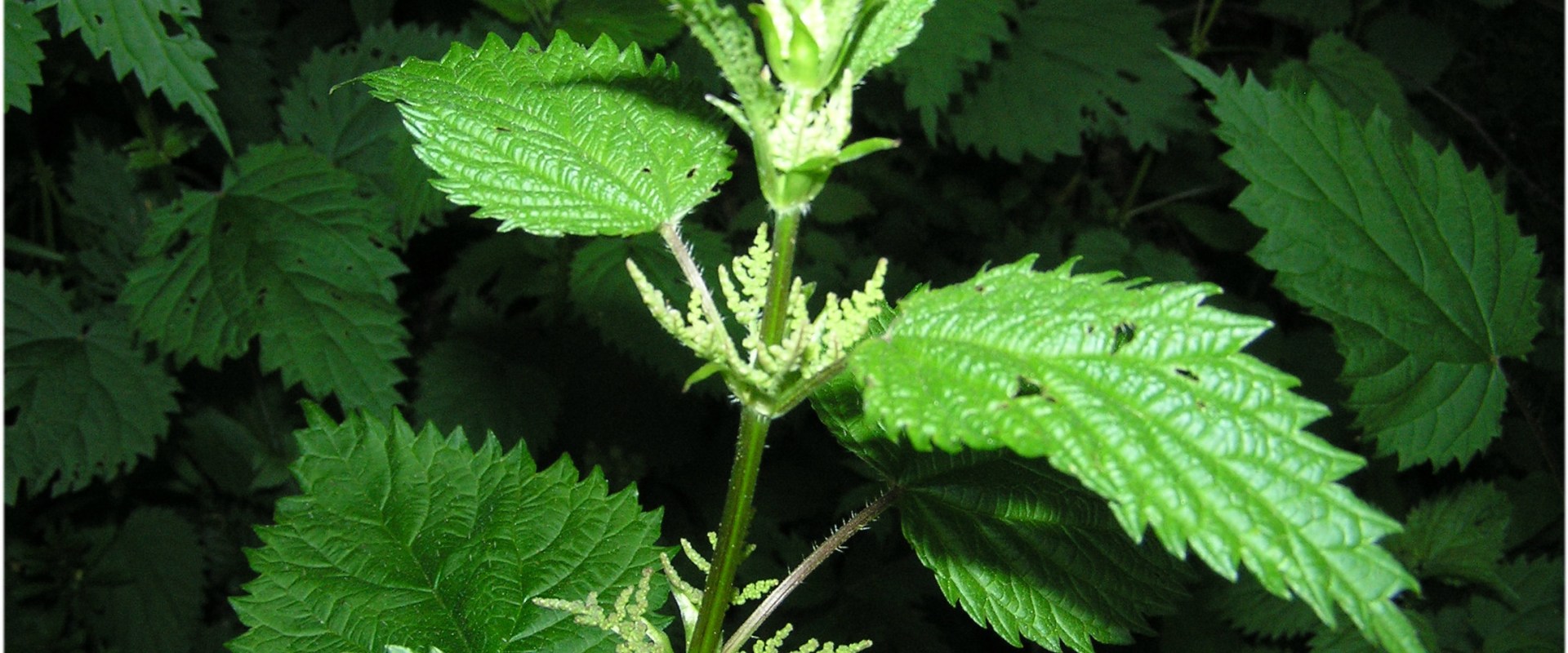
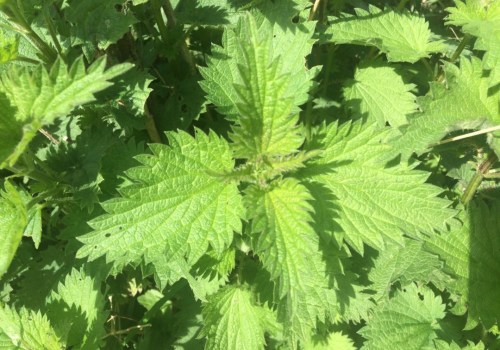
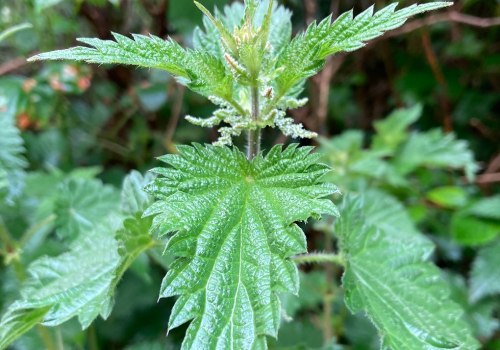
The stinging nettle (Urtica dioica) is a perennial plant that has garnered attention for both its unique characteristics and its historical significance in herbal medicine. Often found in temperate regions across Europe, Asia, and North America, this plant is easily recognizable by its serrated, heart-shaped leaves and tiny, stinging hairs that cover its surface. These hairs contain a cocktail of chemicals, including formic acid, which can cause a sharp, stinging sensation upon contact with skin. Despite this initial discomfort, the nettle plant has been revered for centuries for its numerous health benefits. Historically, stinging nettle has been utilized in various cultures for its medicinal properties.
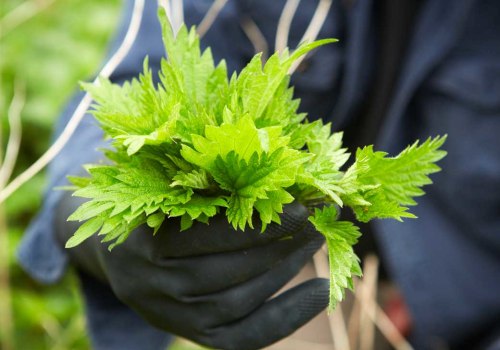
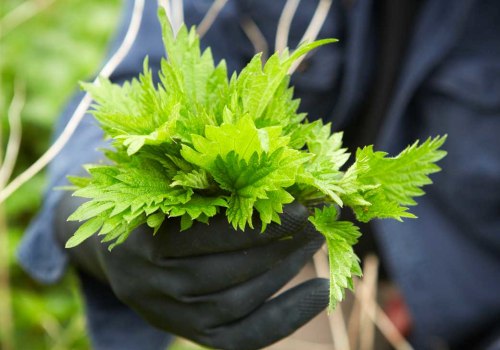
Ancient Greeks and Romans employed it to treat ailments such as arthritis and muscle pain. In traditional Chinese medicine, nettle has been used to promote blood circulation and alleviate respiratory issues. The plant's rich nutrient profile, which includes vitamins A, C, K, and several B vitamins, as well as minerals like iron and calcium, contributes to its reputation as a powerful herbal remedy. In addition to its medicinal uses, stinging nettle has also played a role in culinary traditions. Young nettle leaves can be harvested in the spring and cooked to create nutritious soups, teas, and even pesto.
This versatility highlights the plant's potential as both a food source and a natural remedy. As we delve deeper into the benefits of stinging nettle , it becomes clear that this often-overlooked plant holds a wealth of potential for enhancing health and well-being.
Nutritional Profile of Stinging Nettle
Stinging nettle, often regarded as a superfood, boasts an impressive nutritional profile that contributes to its numerous health benefits. This remarkable plant is rich in essential vitamins, minerals, and other nutrients that can support overall well-being.Vitamins in Stinging Nettle
- Vitamin A: Nettle is a great source of vitamin A, which is crucial for maintaining healthy vision, skin, and immune function. This vitamin also plays a vital role in cellular communication and growth.
- Vitamin C: Known for its antioxidant properties, vitamin C found in nettle helps protect the body against oxidative stress.
It also supports the immune system and aids in collagen production, essential for skin health.
- B Vitamins: Stinging nettle contains several B vitamins, including B1 (thiamine), B2 (riboflavin), B3 (niacin), B5 (pantothenic acid), and B6 (pyridoxine). These vitamins are important for energy metabolism, brain function, and the production of red blood cells.
Minerals in Stinging Nettle
- Iron: One of the standout minerals in nettle is iron, which is essential for the formation of hemoglobin in red blood cells. Adequate iron levels help prevent anemia and support energy levels.
- Calcium: Nettle is also a good source of calcium, vital for bone health and muscle function. This mineral plays a key role in various bodily functions, including nerve transmission and blood clotting.
- Magnesium: This mineral is crucial for over 300 biochemical reactions in the body.
Magnesium supports muscle and nerve function, regulates blood pressure, and contributes to energy production.
- Potassium: Nettle contains potassium, which helps maintain fluid balance, supports heart health, and aids in muscle contractions.
Other Nutrients
In addition to vitamins and minerals, stinging nettle is rich in antioxidants such as flavonoids and carotenoids. These compounds help combat inflammation and protect against chronic diseases. Furthermore, nettle contains dietary fiber that promotes digestive health by supporting regular bowel movements. The combination of these nutrients makes stinging nettle a powerful addition to any diet. Whether consumed as a tea, supplement, or cooked green, incorporating nettle can enhance your nutritional intake significantly.
Health Benefits of Stinging Nettle
Stinging nettle, often overlooked due to its prickly nature, is a powerhouse of health benefits that have been recognized for centuries.This remarkable plant is not only a culinary delight but also a potent herbal remedy that can address various health issues. One of the most notable health benefits of stinging nettle is its effectiveness in managing arthritis. Research has shown that nettle can help alleviate the symptoms associated with this painful condition. The anti-inflammatory properties of nettle are believed to reduce swelling and pain in the joints. For those suffering from arthritis, incorporating nettle tea into their daily routine may provide significant relief.
The Arthritis Foundation recommends drinking one cup of nettle tea three times a day to help manage symptoms effectively. In addition to its benefits for arthritis, stinging nettle is also known for its role in treating allergies. Many individuals experience seasonal allergies, which can lead to discomfort and reduced quality of life. Nettle acts as a natural antihistamine, helping to alleviate symptoms such as sneezing, itching, and nasal congestion. By consuming nettle in various forms—whether as a tea, tincture, or capsule—individuals may find relief from their allergy symptoms without the side effects commonly associated with over-the-counter medications. Moreover, stinging nettle is rich in vitamins and minerals, including vitamins A, C, K, and several B vitamins, as well as essential minerals like iron, calcium, magnesium, and potassium.
This nutrient density contributes to overall health and wellness. Regular consumption of nettle can support immune function, promote healthy skin, and even aid in digestion. For those interested in exploring the benefits of stinging nettle further, it is available in various forms such as dried leaves for tea, freeze-dried capsules for easy supplementation, and even as an ingredient in soups and salads. However, it is crucial to consult with a healthcare professional before starting any new herbal regimen to ensure safety and efficacy. In summary, the health benefits of stinging nettle are vast and varied. From its anti-inflammatory properties that assist with arthritis to its natural antihistamine effects for allergy relief, this remarkable plant offers a wealth of advantages for those willing to embrace it.
Stinging Nettle and Inflammation
Chronic inflammation is a significant contributor to various health issues, including arthritis, heart disease, and even certain cancers.The quest for natural remedies to combat inflammation has led many to explore the anti-inflammatory properties of stinging nettle. This remarkable plant has been utilized in traditional medicine for centuries, and modern research is beginning to validate its efficacy in managing inflammation. Stinging nettle (Urtica dioica) contains a variety of bioactive compounds that contribute to its anti-inflammatory effects. Among these are flavonoids, phenolic acids, and polysaccharides, which work synergistically to inhibit inflammatory pathways in the body. For instance, nettle extracts have been shown to suppress the production of pro-inflammatory cytokines, which are signaling molecules that promote inflammation.
How Nettle Reduces Inflammation
The mechanisms through which nettle reduces inflammation are multifaceted:- Inhibition of Prostaglandins: Nettle has been found to inhibit the synthesis of prostaglandins, which are compounds that mediate inflammation and pain.
By reducing prostaglandin levels, nettle can help alleviate symptoms associated with inflammatory conditions.
- Antioxidant Activity: The antioxidants present in nettle help neutralize free radicals, which can cause oxidative stress and contribute to chronic inflammation. By combating oxidative damage, nettle supports overall cellular health.
- Immune Modulation: Nettle may also modulate immune responses. It can help balance the immune system's activity, preventing it from becoming overactive and causing unnecessary inflammation.
Whether enjoyed as a tea or added to soups and salads, this versatile herb offers a natural approach to managing inflammation while promoting overall health. However, as with any herbal remedy, it is advisable to consult with a healthcare professional before starting any new treatment regimen.
How to Use Stinging Nettle Safely
When considering the incorporation of stinging nettle into your health regimen, it is essential to understand the various forms available and how to use them safely. Each form of nettle offers unique benefits and can be consumed in different ways, making it versatile for various preferences and lifestyles.Forms of Stinging Nettle Supplements
- Nettle Tea: One of the most popular methods of consuming nettle is through tea. To prepare nettle tea, steep dried nettle leaves in hot water for about 10 minutes.
This method not only extracts the beneficial compounds but also provides a soothing beverage that can be enjoyed throughout the day.
- Dried Leaves: Dried nettle leaves can be added to soups, stews, or smoothies. They can also be used as a seasoning for various dishes, providing both flavor and health benefits.
- Capsules and Tablets: For those who prefer a more convenient option, nettle is available in capsule or tablet form. This allows for easy dosage without the need for preparation. However, it is crucial to choose high-quality supplements from reputable brands to ensure safety and efficacy.
- Tinctures: Nettle tinctures are concentrated liquid extracts that can be taken directly or added to water or juice.
They offer a potent dose of nutrients and are quickly absorbed by the body.
Recommended Dosage of Nettle
The appropriate dosage of stinging nettle can vary based on the form consumed and individual health needs. Here are some general guidelines:- Nettle Tea: It is generally safe to drink 1-3 cups of nettle tea daily. Start with one cup and gradually increase based on your body's response.
- Dried Leaves: When using dried leaves in cooking, aim for about 1-2 tablespoons per serving, adjusting according to taste preferences.
- Capsules: Follow the manufacturer's instructions, but a common dosage is 300-600 mg taken 1-2 times daily.
- Tinctures: A typical dosage is 1-2 ml taken 2-3 times daily, but it’s best to consult with a healthcare provider for personalized advice.
Stinging Nettle in Traditional Medicine
The use of stinging nettle in traditional medicine spans centuries and crosses numerous cultures, showcasing its versatility and effectiveness as a natural remedy.Historically, this remarkable plant has been employed for various ailments, reflecting the deep-rooted connection between humans and the natural world. In ancient Greece, physicians like Hippocrates recognized the therapeutic potential of nettle. It was commonly used to treat conditions such as arthritis and joint pain. The Greeks would often apply nettle leaves directly to the skin to stimulate circulation and alleviate discomfort. This practice, known as urtication, involved lightly whipping the affected area with fresh nettle stems to induce a mild irritation that was believed to relieve pain. Similarly, in traditional Chinese medicine, nettle has been utilized for its anti-inflammatory properties.
It is often included in herbal formulations aimed at treating respiratory issues and allergies. The Chinese have long valued nettle for its ability to support kidney function and promote overall vitality. In Europe, particularly during the Middle Ages, nettle was a staple in folk medicine. Herbalists would prepare nettle tea or infusions to combat ailments ranging from urinary tract infections to digestive disorders. The leaves were also used in poultices for wounds and skin irritations, capitalizing on their natural healing properties. Indigenous cultures across North America have also embraced nettle for its nutritional benefits.
Native Americans consumed the young leaves as a food source, rich in vitamins and minerals. They recognized its potential not only as a food but also as a medicinal herb, using it to treat various health issues. Today, the legacy of stinging nettle continues in modern herbal medicine. Practitioners often recommend it for conditions such as hay fever, arthritis, and even benign prostatic hyperplasia (BPH). Its historical uses have paved the way for contemporary research into its efficacy and safety. In summary, the traditional uses of stinging nettle reflect a rich tapestry of cultural practices that highlight its significance in herbal medicine.
From ancient Greece to modern-day applications, this resilient plant has proven itself as a valuable ally in promoting health and well-being.
Frequently Asked Questions about Stinging Nettle
As interest in herbal remedies continues to grow, many people have questions about stinging nettle benefits and its safe usage. Below are some of the most frequently asked questions regarding this remarkable plant.What are the primary health benefits of stinging nettle?
Stinging nettle is renowned for its numerous health benefits, which include:- Anti-inflammatory properties: Nettle has been shown to reduce inflammation, making it beneficial for conditions like arthritis.
- Allergy relief: It may help alleviate symptoms of hay fever and other allergies by acting as a natural antihistamine.
- Rich in nutrients: Nettle is packed with vitamins A, C, K, and several B vitamins, along with minerals like iron, calcium, and magnesium.
- Support for urinary health: Nettle is often used to promote urinary tract health and may help alleviate symptoms of benign prostatic hyperplasia (BPH) in men.
Is stinging nettle safe for everyone?
While stinging nettle is generally safe for most people when consumed in appropriate amounts, there are some exceptions. Pregnant or breastfeeding women should consult a healthcare provider before using nettle. Additionally, individuals taking blood thinners or those with certain medical conditions should seek medical advice prior to incorporating nettle into their regimen.Are there any side effects associated with stinging nettle?
Though stinging nettle is considered safe for most individuals, some may experience mild side effects such as:- Stomach upset
- Skin irritation (when handling fresh leaves)
- Allergic reactions in sensitive individuals
What are some common myths about stinging nettle?
There are several misconceptions surrounding stinging nettle that can deter people from exploring its benefits:- Myth 1: Stinging nettle is only a weed.
This plant has been used for centuries in traditional medicine and has significant health benefits.
- Myth 2: You can’t consume stinging nettle. While fresh nettle can cause skin irritation, cooking or processing it neutralizes its sting, making it safe to eat.
- Myth 3: Nettle is only useful for allergies. Nettle offers a wide range of health benefits beyond allergy relief, including anti-inflammatory and nutritional properties.
Conclusion: Embracing the Benefits of Stinging Nettle Safely
In summary, the exploration of stinging nettle benefits reveals a remarkable plant that has been utilized for centuries in various cultures for its medicinal properties. From its potential to alleviate symptoms of arthritis to its role in managing allergies and asthma, nettle stands out as a versatile herbal remedy.However, it is crucial to approach its use with a clear understanding of both its advantages and the necessary safety precautions. As we have discussed, fresh nettle can cause skin irritation due to its stinging hairs, which contain formic acid. This characteristic can deter many from considering nettle as a viable option for health improvement. Yet, when processed—whether through cooking, drying, or encapsulation—its benefits can be harnessed without the risk of irritation. This transformation allows individuals to enjoy the therapeutic properties of nettle safely. Moreover, the various forms in which nettle is available—such as teas, capsules, and tinctures—provide flexibility for those looking to incorporate it into their wellness routines.
It is essential to consult with a healthcare professional before starting any new supplement regimen, especially for individuals with pre-existing health conditions or those who are pregnant or nursing. Listening to your body is paramount when introducing any herbal remedy. While many people report positive experiences with nettle over extended periods, it is vital to monitor for any adverse reactions. If discomfort arises, discontinuing use and seeking medical advice is always the best course of action. Ultimately, embracing the benefits of stinging nettle can lead to improved health and well-being when done thoughtfully and safely. By understanding both its potential and the precautions necessary for safe consumption, individuals can make informed decisions that align with their health goals.