Field note
The Hidden Dangers of Nettle: Who Should Avoid This Plant?
Discover the hidden dangers of stinging nettle and who should avoid this plant despite its numerous health benefits.
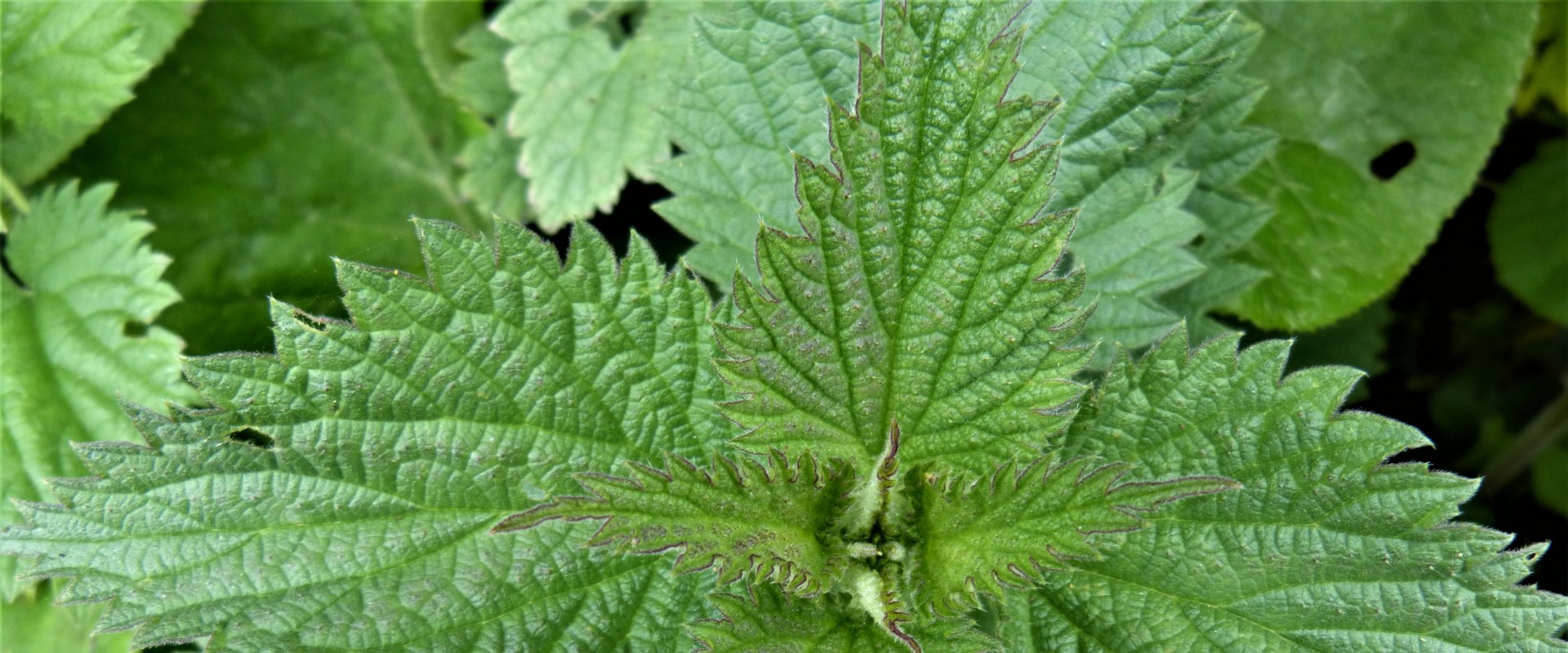
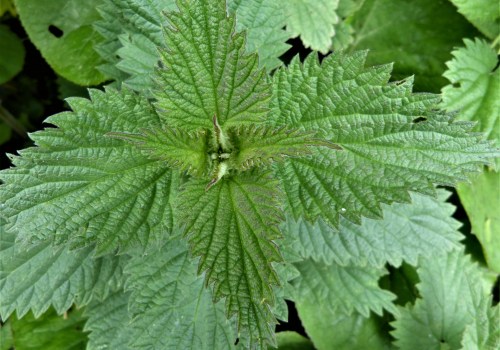
The stinging nettle, scientifically known as Urtica dioica, is a perennial plant that has been both revered and feared throughout history. Recognizable by its serrated leaves and tiny, hair-like structures that deliver a painful sting upon contact, this plant is often found in damp, nutrient-rich soils across Europe, Asia, and North America. Despite its reputation for causing discomfort, the nettle plant is packed with a wealth of nutrients and has been utilized in traditional medicine for centuries. Historically, stinging nettle has played a significant role in various cultures. Ancient Greeks and Romans used it for its medicinal properties, while Native Americans incorporated it into their diets and healing practices.
The leaves are rich in vitamins A, C, K, and several B vitamins, along with essential minerals such as iron, calcium, magnesium, and potassium. These attributes have led to a resurgence of interest in nettle as a superfood and herbal remedy in modern times. However, while the stinging nettle benefits are numerous—ranging from anti-inflammatory properties to potential support for urinary health—it is crucial to approach this plant with caution. Understanding the dual nature of nettle is essential for anyone considering its use. This section will delve into the characteristics of the nettle plant and its historical applications, setting the stage for a deeper exploration of both its remarkable benefits and the hidden dangers that may accompany its use.
The Benefits of Stinging Nettle
Stinging nettle, often regarded as a nuisance due to its prickly leaves, is a powerhouse of health benefits that has been utilized in traditional medicine for centuries.This remarkable plant is not only rich in nutrients but also boasts a variety of medicinal properties that can enhance overall well-being.
Nutritional Value of Stinging Nettle
- Vitamins and Minerals: Stinging nettle is packed with essential vitamins such as A, C, K, and several B vitamins. It also contains important minerals like iron, calcium, magnesium, and potassium, making it a valuable addition to any diet.
- Protein Content: Surprisingly, nettle leaves are a good source of protein compared to other leafy greens. This makes it an excellent option for vegetarians and vegans looking to boost their protein intake.
- Antioxidants: The plant is rich in antioxidants, which help combat oxidative stress in the body. These compounds play a crucial role in reducing inflammation and protecting cells from damage.
Medicinal Uses of Stinging Nettle
The medicinal applications of stinging nettle are vast and varied:
- Anti-Inflammatory Properties: Nettle has been shown to reduce inflammation, making it beneficial for individuals suffering from conditions like arthritis.
Its anti-inflammatory effects can help alleviate pain and improve mobility.
- Allergy Relief: Some studies suggest that stinging nettle may act as a natural antihistamine, providing relief from seasonal allergies. It can help reduce symptoms such as sneezing and itching.
- Support for Urinary Health: Nettle is often used to support urinary tract function. It may help alleviate symptoms of benign prostatic hyperplasia (BPH) in men by promoting healthy urinary flow.
- Blood Sugar Regulation: Preliminary research indicates that stinging nettle may help regulate blood sugar levels, making it a potential ally for those managing diabetes.
Once cooked or dried, the sting disappears, allowing you to enjoy its numerous health benefits safely.
Who Should Avoid Stinging Nettle?
While stinging nettle is celebrated for its numerous health benefits, it is crucial to recognize that certain individuals should avoid this plant due to potential health risks. Understanding these contraindications can help prevent adverse effects and ensure safe usage.1.Pregnant Women
One of the most critical groups to avoid stinging nettle is pregnant women. The plant has been associated with altering menstrual cycles and may stimulate uterine contractions, which could lead to complications such as miscarriage. Therefore, it is advisable for expectant mothers to steer clear of nettle in any form, whether as a supplement or in herbal teas.
2.Individuals with Allergies
People who have known allergies or sensitivities to nettle or related plants should also avoid this herb.
Stinging nettle belongs to the Urticaceae family, which includes other plants that may trigger allergic reactions. Symptoms can range from mild skin irritations to severe anaphylactic responses, making it essential for those with such allergies to exercise caution.
3.Those with Kidney Issues
Stinging nettle has diuretic properties, which can be beneficial for some but may pose risks for individuals with kidney problems. The increased urination can strain the kidneys and exacerbate existing conditions. Therefore, those with kidney disease or dysfunction should consult a healthcare provider before considering nettle.
4.People on Blood Thinners
Nettle may interact with anticoagulant medications due to its potential effects on blood clotting.
Individuals taking blood thinners, such as warfarin, should avoid stinging nettle unless under medical supervision. The herb's ability to influence blood pressure and clotting factors can lead to complications if not monitored properly.
5.Diabetics
For those managing diabetes, stinging nettle may lower blood sugar levels. While this can be advantageous for some, it poses a risk of hypoglycemia in individuals already on medication to control their blood sugar. Regular monitoring and consultation with a healthcare professional are essential for diabetics considering the use of nettle.
In summary, while stinging nettle offers various health benefits, it is vital for specific groups—such as pregnant women, individuals with allergies, those with kidney issues, people on blood thinners, and diabetics—to avoid this plant or seek professional guidance before use.
Awareness of these risks ensures that individuals can make informed decisions regarding their health and wellness.
Potential Allergic Reactions to Nettle
Stinging nettle, while celebrated for its numerous health benefits, can also trigger allergic reactions in some individuals. Understanding these potential reactions is crucial for anyone considering the use of this plant, whether in herbal remedies or dietary supplements.Symptoms of Nettle Allergy
- Skin Reactions: The most common symptoms include redness, itching, and swelling at the site of contact. This can manifest as a rash or hives, which may appear shortly after exposure to the plant.
- Respiratory Issues: Some individuals may experience respiratory symptoms such as sneezing, nasal congestion, or difficulty breathing. These symptoms can occur if nettle pollen is inhaled or if the plant is consumed.
- Gastrointestinal Distress: Ingesting nettle can lead to nausea, vomiting, or diarrhea in those with an allergy.
This is particularly concerning for individuals who may not be aware of their sensitivity to the plant.
- Anaphylaxis: In rare cases, a severe allergic reaction known as anaphylaxis can occur. This life-threatening condition requires immediate medical attention and is characterized by symptoms such as swelling of the throat, rapid heartbeat, and a drop in blood pressure.
How to Identify a Nettle Allergy
If you suspect that you may have an allergy to stinging nettle, it is essential to consult with a healthcare professional. They may recommend the following steps:
- Medical History Review: Discuss any previous allergic reactions you have experienced, especially related to plants or herbal remedies.
- Allergy Testing: Skin prick tests or blood tests can help determine if you have an allergy to nettle or other related plants.
- Elimination Diet: If you consume nettle in food or supplements, your doctor may suggest eliminating it from your diet for a period and then reintroducing it to observe any reactions.
Nettle and Pregnancy: A Cautionary Tale
When it comes to herbal remedies, many expectant mothers seek natural alternatives to support their health during pregnancy.However, one plant that should be approached with caution is the stinging nettle. While it is often praised for its numerous health benefits, the risks associated with consuming nettle during pregnancy cannot be overlooked.
Stinging nettle is known for its rich nutrient profile, including vitamins A, C, K, and several B vitamins, as well as minerals like iron and calcium. Despite these benefits, pregnant women should be particularly cautious due to the plant's potential effects on the body.
Risks of Nettle for Pregnant Women
- Uterine Contractions: One of the primary concerns with nettle consumption during pregnancy is its ability to stimulate uterine contractions. This can pose a significant risk, especially in the early stages of pregnancy when the risk of miscarriage is higher.
- Hormonal Effects: Nettle may influence hormone levels in the body.
For pregnant women, any alteration in hormonal balance can lead to complications, including premature labor.
- Allergic Reactions: Some individuals may have an allergic reaction to nettle or other plants in the same family. For pregnant women, experiencing an allergic reaction can complicate their condition and pose risks to both mother and baby.
Herbal Remedies and Pregnancy Safety
In general, when considering herbal remedies during pregnancy, it is essential to prioritize safety. Not all herbs are safe for expectant mothers, and many can have unintended side effects.
Always discuss any herbal supplements or remedies with a qualified healthcare professional who understands both herbal medicine and obstetrics. In conclusion, while stinging nettle offers various health benefits, its consumption during pregnancy carries significant risks that warrant caution. Expectant mothers should be informed and proactive about their choices regarding herbal remedies to ensure a healthy pregnancy.
Interactions with Medications and Other Herbs
Stinging nettle, while celebrated for its numerous health benefits, can also interact with various medications and other herbs, making it essential for users to be aware of these potential interactions. Understanding how nettle may affect or be affected by other substances is crucial for anyone considering its use as a supplement or remedy.Interactions with Medications
- Anticoagulants and Antiplatelet Drugs: Nettle may have blood-thinning properties, which can enhance the effects of anticoagulants like warfarin or antiplatelet medications such as aspirin. This could increase the risk of bleeding, so individuals on these medications should consult their healthcare provider before using nettle.
- Diuretics: Nettle is known for its diuretic effects, which can amplify the action of prescription diuretics.
This may lead to excessive fluid loss and electrolyte imbalances. Monitoring by a healthcare professional is advisable.
- Blood Pressure Medications: Due to its potential to lower blood pressure, nettle may interact with antihypertensive drugs, leading to hypotension (low blood pressure). Patients should be cautious and discuss their use of nettle with their doctor.
- Diabetes Medications: Nettle may lower blood sugar levels, which could enhance the effects of diabetes medications. This interaction necessitates careful monitoring of blood sugar levels to avoid hypoglycemia.
Herbal Interactions
When combined with other herbs, nettle can also produce significant effects:
- Herbs with Similar Effects: Combining nettle with other diuretics or blood thinners can amplify their effects, leading to potential health risks.
For instance, using nettle alongside ginkgo biloba or garlic may increase bleeding risk.
- Herbs that Counteract Effects: Some herbs may counteract the benefits of nettle. For example, herbs that raise blood pressure could negate nettle's hypotensive effects.
Safe Herbal Practices
To ensure safe use of stinging nettle and avoid adverse interactions:
- Consult a Healthcare Provider: Always discuss with a healthcare professional before starting any new herbal regimen, especially if you are on medication.
- Start Slowly: If you decide to use nettle, begin with small doses to monitor your body's response and any potential interactions.
- Keep a Record: Maintain a log of all supplements and medications you are taking. This can help your healthcare provider make informed decisions about your treatment plan.
How to Safely Use Stinging Nettle
Stinging nettle, known for its numerous health benefits, can be a valuable addition to your diet when used correctly. However, it is essential to handle and prepare this plant with care to avoid any adverse effects.Here are some guidelines on how to safely use stinging nettle.
Harvesting Stinging Nettle
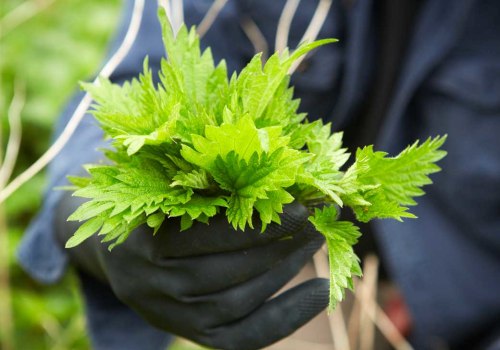
When foraging for stinging nettle, it is crucial to wear gloves to protect your hands from its irritating hairs. Look for young, tender leaves in the spring, as these are the most nutritious and flavorful. Avoid harvesting nettles that are near polluted areas or roadsides, as they may absorb harmful substances.Preparing Stinging Nettle
Before consuming stinging nettle, it must be properly prepared to neutralize its sting. Here are some safe preparation methods:- Blanching: Quickly boil the nettle leaves for 1-2 minutes, then transfer them to an ice bath.
This process will eliminate the sting and preserve their vibrant color.
- Steaming: Steaming the leaves for a few minutes is another effective way to prepare them while retaining their nutrients.
- Cooking: Incorporate nettles into soups, stews, or stir-fries. Cooking not only removes the sting but also enhances their flavor.
Cooking with Stinging Nettle
Stinging nettle can be used in various dishes, adding a unique flavor and nutritional boost. Here are some ideas:- Nettle Soup: Blend blanched nettles with vegetable broth, onions, and garlic for a delicious and healthy soup.
- Nettle Pesto: Substitute basil with blanched nettles in your favorite pesto recipe for a nutritious twist.
- Nettle Tea: Steep dried or fresh nettle leaves in hot water for a soothing herbal tea that offers numerous health benefits.
If you have any underlying health conditions or are pregnant, consult with a healthcare professional before incorporating stinging nettle into your diet.
Frequently Asked Questions About Stinging Nettle
Stinging nettle, known scientifically as Urtica dioica, is a plant that has garnered attention for both its health benefits and potential risks. As interest in herbal remedies grows, so do the questions surrounding this intriguing plant. Below are some of the most frequently asked questions about stinging nettle.What are the health benefits of stinging nettle?
Stinging nettle is rich in vitamins and minerals, including vitamins A, C, K, and several B vitamins, as well as iron, calcium, magnesium, and potassium. These nutrients contribute to its reputation as a powerful herbal remedy.Some of the notable benefits include:
- Anti-inflammatory properties: Nettle has been shown to reduce inflammation, making it beneficial for conditions like arthritis.
- Allergy relief: Some studies suggest that nettle may help alleviate symptoms of hay fever by acting as a natural antihistamine.
- Support for urinary health: Nettle is often used to promote urinary tract health and may help alleviate symptoms of benign prostatic hyperplasia (BPH) in men.
- Nutritional support: The high nutrient content makes it a great addition to diets, especially for those looking to boost their intake of essential vitamins and minerals.
Are there any side effects associated with stinging nettle?
While stinging nettle offers numerous benefits, it is not without its risks. Some individuals may experience side effects such as:- Skin irritation: Direct contact with the plant can cause a painful rash due to its stinging hairs.
- Gastrointestinal issues: Consuming large amounts may lead to stomach upset or diarrhea.
- Allergic reactions: Those with allergies to plants in the same family should avoid nettle altogether.
Can pregnant women use stinging nettle?
Pregnant women are generally advised to avoid stinging nettle due to its potential effects on uterine contractions. It is crucial for expectant mothers to consult healthcare professionals before using any herbal remedies.What are some common myths about stinging nettle?
There are several misconceptions surrounding stinging nettle that can lead to confusion:- Nettle is only harmful: While it can cause skin irritation, it also has many health benefits when used correctly.
- You can’t eat stinging nettle: This is false; when cooked or dried, nettle becomes safe and nutritious to consume.
- Nettle is just a weed: Although often considered a nuisance in gardens, its medicinal properties make it far more valuable than a typical weed.
Conclusion: Weighing the Risks and Benefits of Stinging Nettle
In conclusion, the discussion surrounding stinging nettle benefits is multifaceted, revealing both remarkable advantages and significant risks associated with this potent plant. While nettle is celebrated for its rich nutritional profile and potential therapeutic properties, it is essential to approach its use with caution and awareness. As highlighted throughout this article, stinging nettle offers a variety of health benefits, including:- Anti-inflammatory properties: Nettle has been shown to alleviate symptoms of conditions like arthritis and allergies.
- Nutrient-rich profile: It is packed with vitamins A, C, K, and several B vitamins, along with minerals such as iron, calcium, and magnesium.
- Support for urinary health: Nettle may aid in managing benign prostatic hyperplasia (BPH) and promote overall urinary function.
- Potential blood sugar regulation: Some studies suggest that nettle may help in managing blood sugar levels.
Certain populations should exercise caution or avoid nettle altogether:
- Pregnant women: The potential for uterine contractions poses a risk that cannot be overlooked.
- Individuals with allergies: Those sensitive to nettle or related plants may experience severe allergic reactions.
- People on specific medications: Nettle can interact with blood thinners and other medications, necessitating a discussion with a healthcare provider before use.